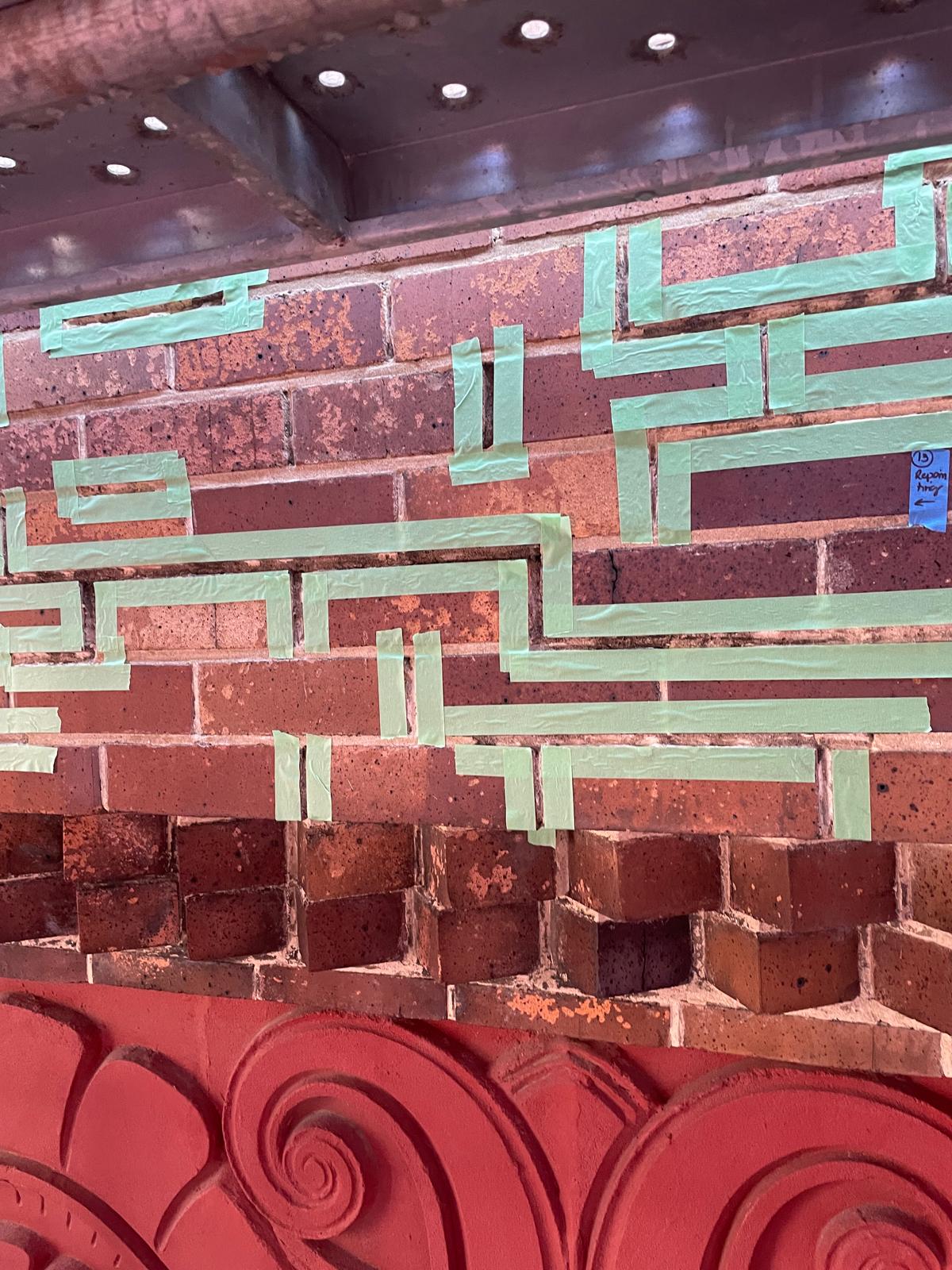

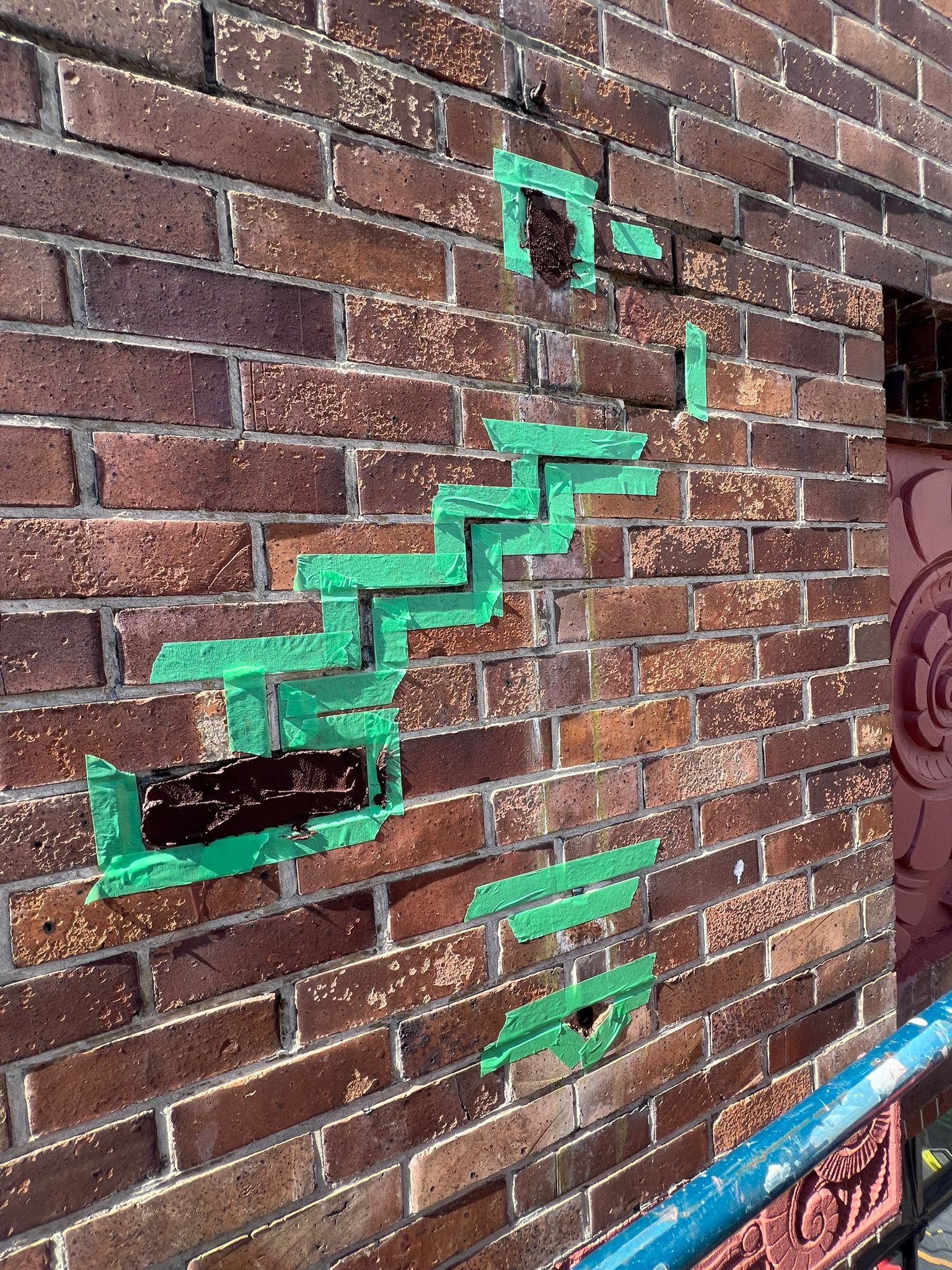
Cracks in masonry and older façades are rarely “just cosmetic.” They’re usually telling you one of three things:
- the building has moved (settlement, thermal movement, restraint points),
- elements are separating (delaminating skins, loose parapets, failing ties), or
- water ingress and corrosion are quietly driving the deterioration.
Repointing alone won’t stop that movement. If you want a repair that lasts, you often need stabilisation: crack stitching, tying, anchoring, and discreet restraint — done properly and in the right locations.
PCR delivers this as a restoration service because the aim is structural stability with minimal visual impact.
✅ Our Anchoring & Stitching Packages Typically Include:
Assessment & stabilisation strategy
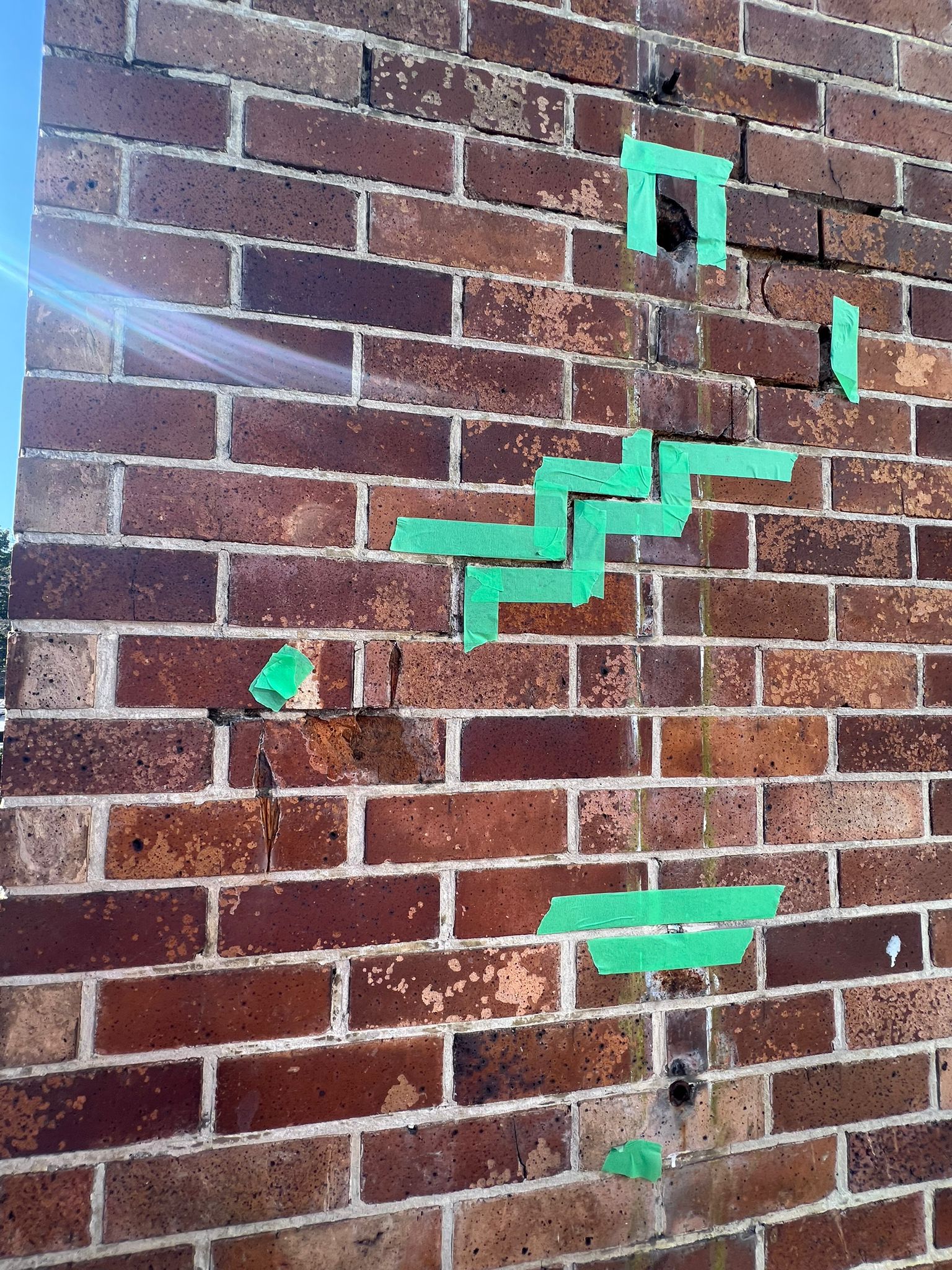
- Identify crack type and behaviour (active vs historic, stepped vs straight, recurring zones)
- Determine the likely mechanism (settlement, restraint, lintel action, bowing, moisture/corrosion effects)
- Confirm what the solution needs to achieve: stitch the crack, tie the wall, restrain the parapet, or anchor loose units
Crack stitching (bed-joint reinforcement)
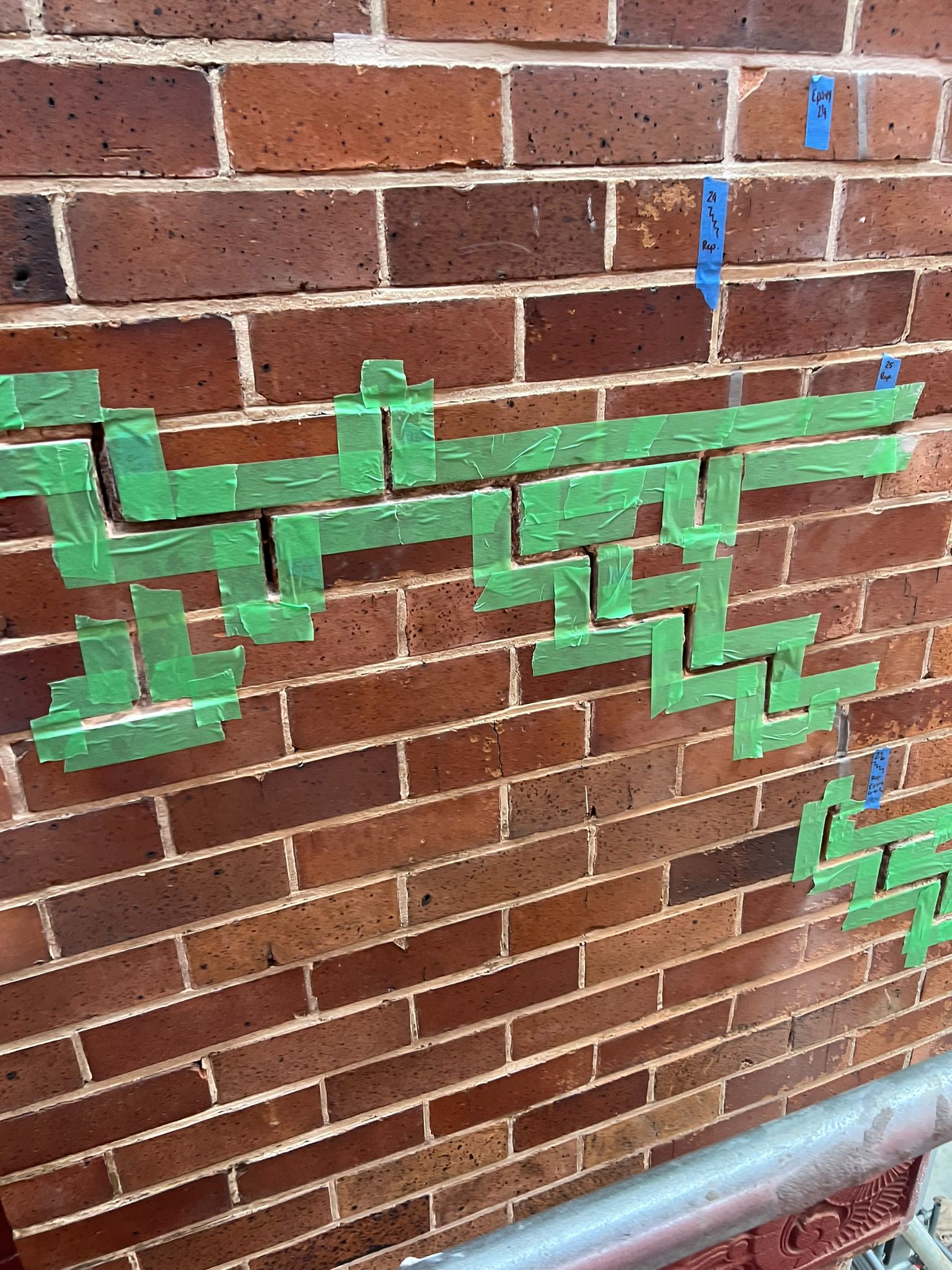
- Installation of stitching bars in mortar joints across cracked zones (commonly stepped cracks in brickwork)
- Grouted/resin-fixed reinforcement designed to redistribute stress and reduce crack re-opening
- Often paired with repointing so the repaired joint line finishes cleanly
Wall ties & façade anchoring
- Installation or replacement of wall ties / façade ties where skins are separating or existing ties are corroded/insufficient
- Discreet tie placement to stabilise façade leaves, returns, and vulnerable edges
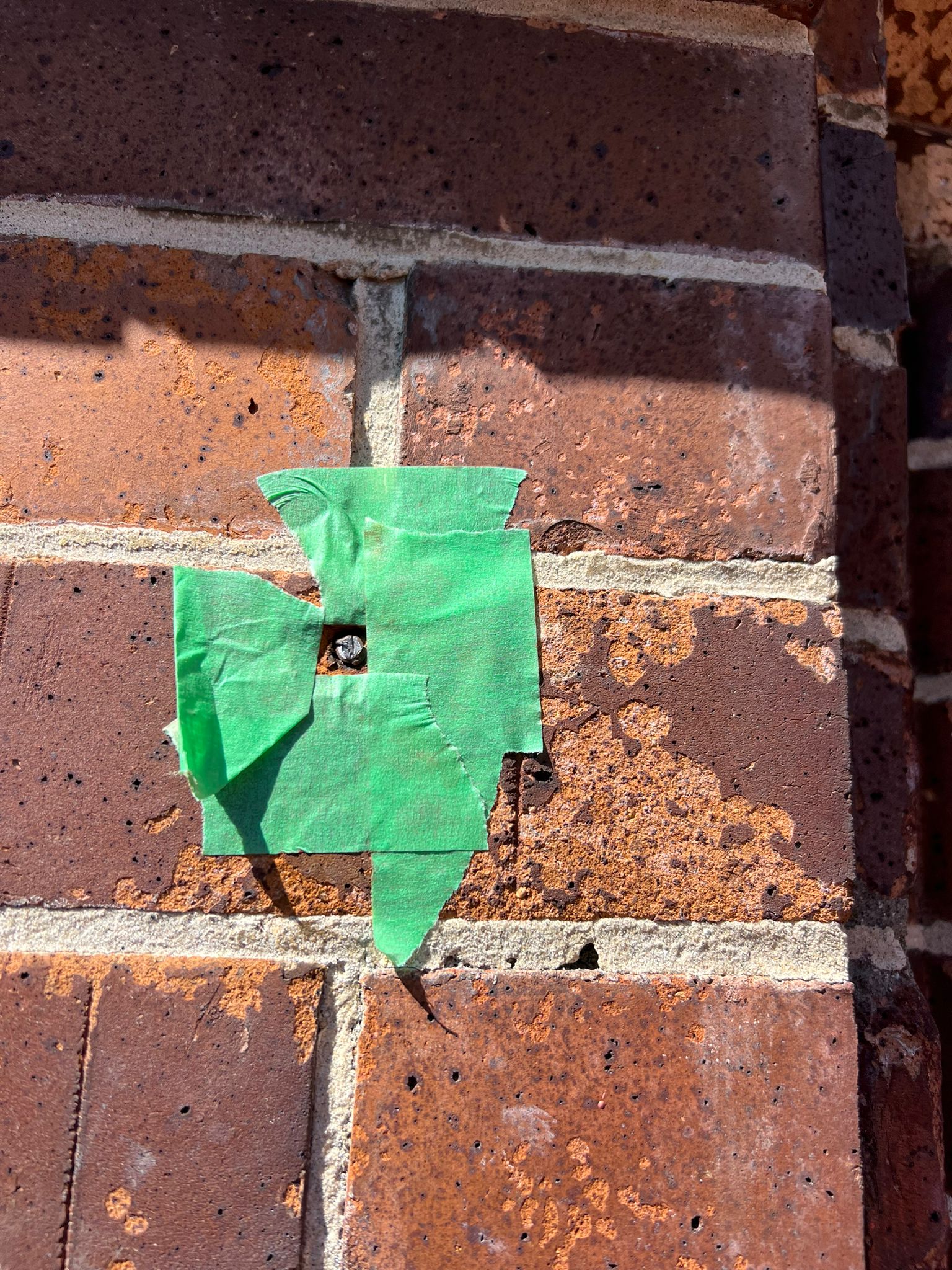
- Anchoring loose masonry units, parapet sections, or localised façade elements where safety is a concern
Localised anchoring & pinning
- Anchoring of unstable bricks/blocks/stone units
- Pinning and reinforcement of corners, returns, and re-entrant crack zones
- Targeted fixes around openings where cracking concentrates (windows/doors/lintels)
Make-good & finish integration
- Mortar repair and repointing reinstatement around installed systems
- Matching joint profiles and local finishes so repairs don’t shout
- Coordination with cleaning and protective coatings where specified
🏗 Typical Applications
- Heritage brick façades with stepped cracking
- Parapets and façade returns showing separation or bulging risk
- Older buildings with recurring cracks around openings and lintels
- Loose or unstable masonry elements requiring discreet restraint
- Mixed façades (brick + concrete) where interfaces crack and open up over time
🛠 Common Problems We Solve
- Stepped cracks that reappear after repointing (because the wall is still moving)
- Bowing or separation signs in façade leaves and parapets
- Localised instability at corners, returns, and re-entrant details
- Cracks that track from window heads / lintel zones through masonry
- “Patch repairs” that keep failing because stress was never redistributed
📌 Why Choose PCR?
- We think like restorers and remedial contractors: stabilise first, then reinstate properly
- Discreet, detail-driven installation that respects heritage aesthetics
- Ability to bundle stabilisation + mortar repairs + repointing + cleaning + protection under one specialist contractor
- Practical delivery on live sites with access and public safety constraints
- ISO-backed QA habits and clear documentation for councils and consultants
.jpeg)
.jpeg)
.jpeg)
.jpeg)