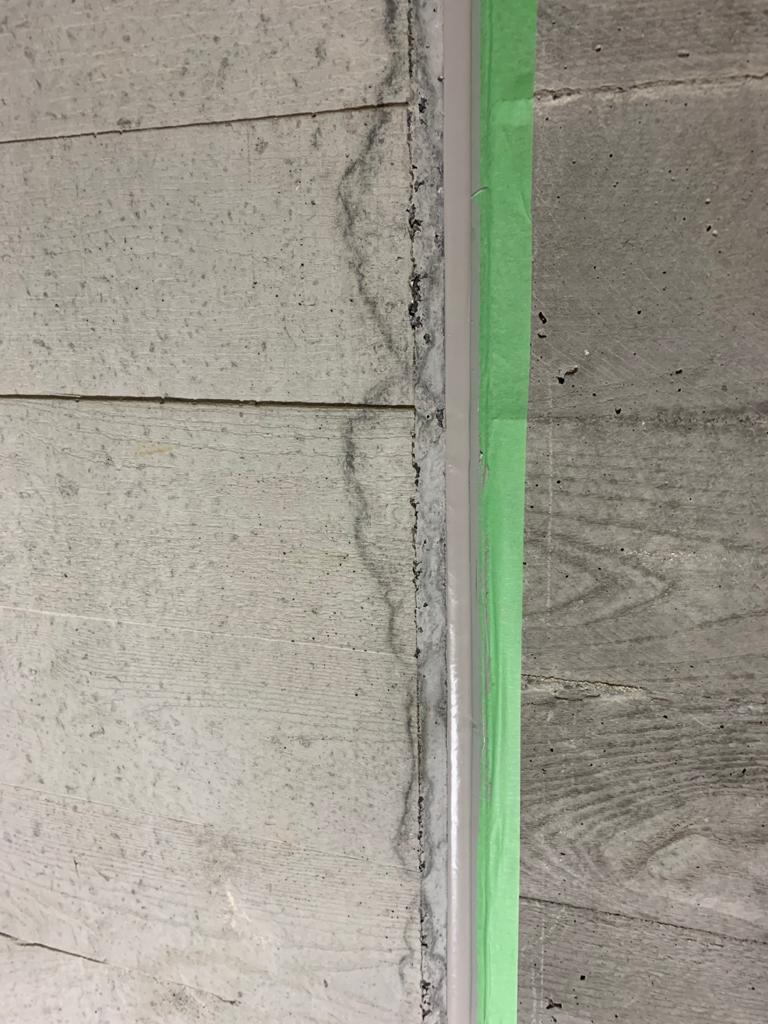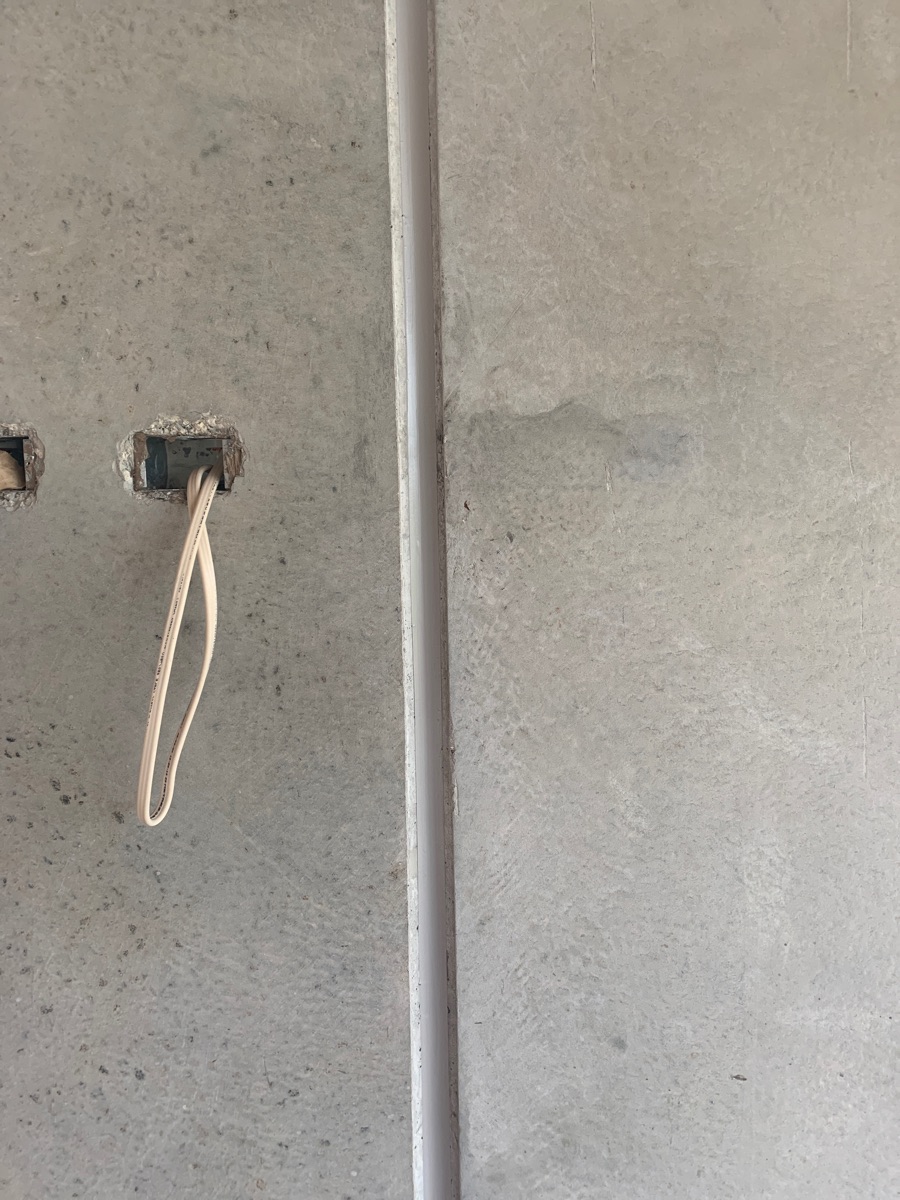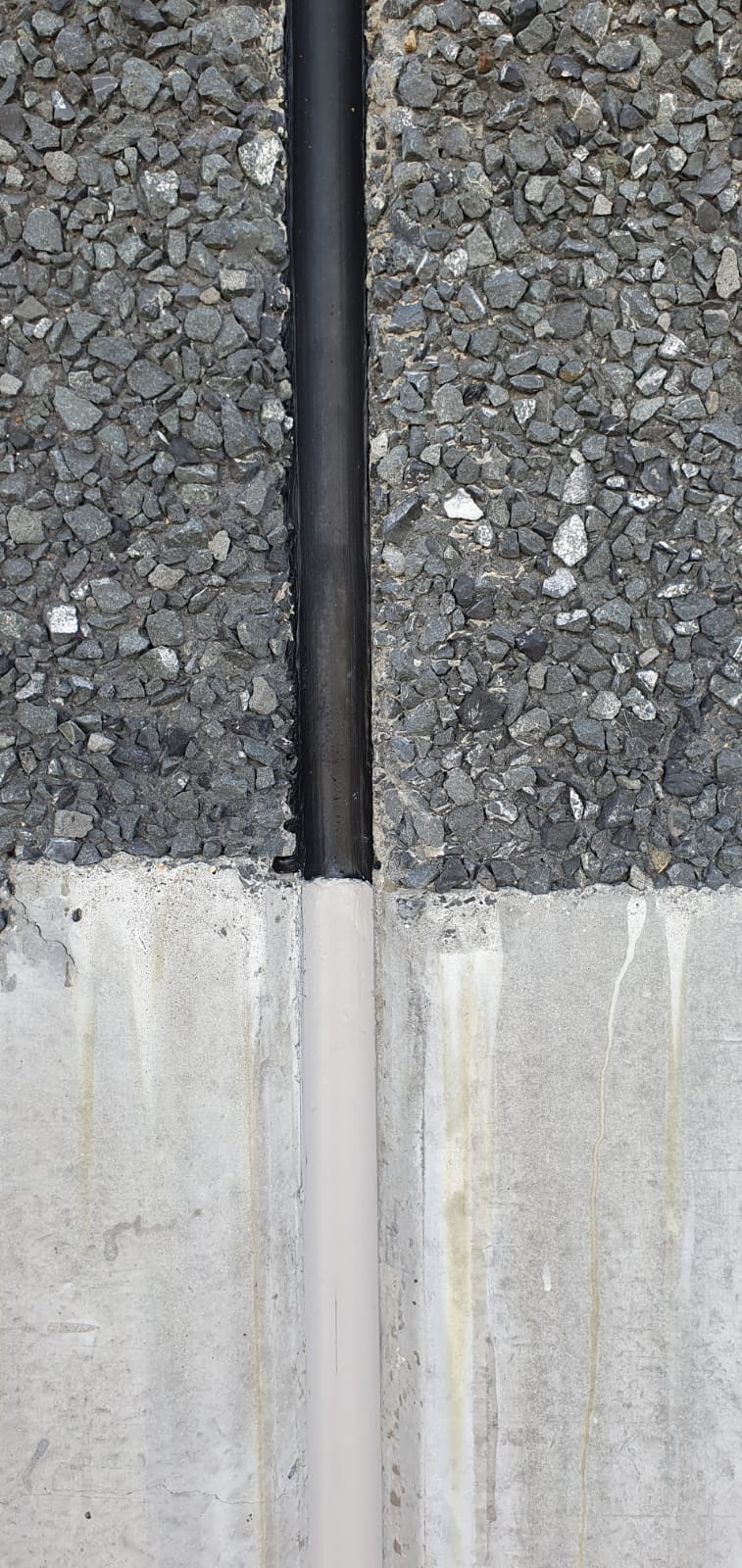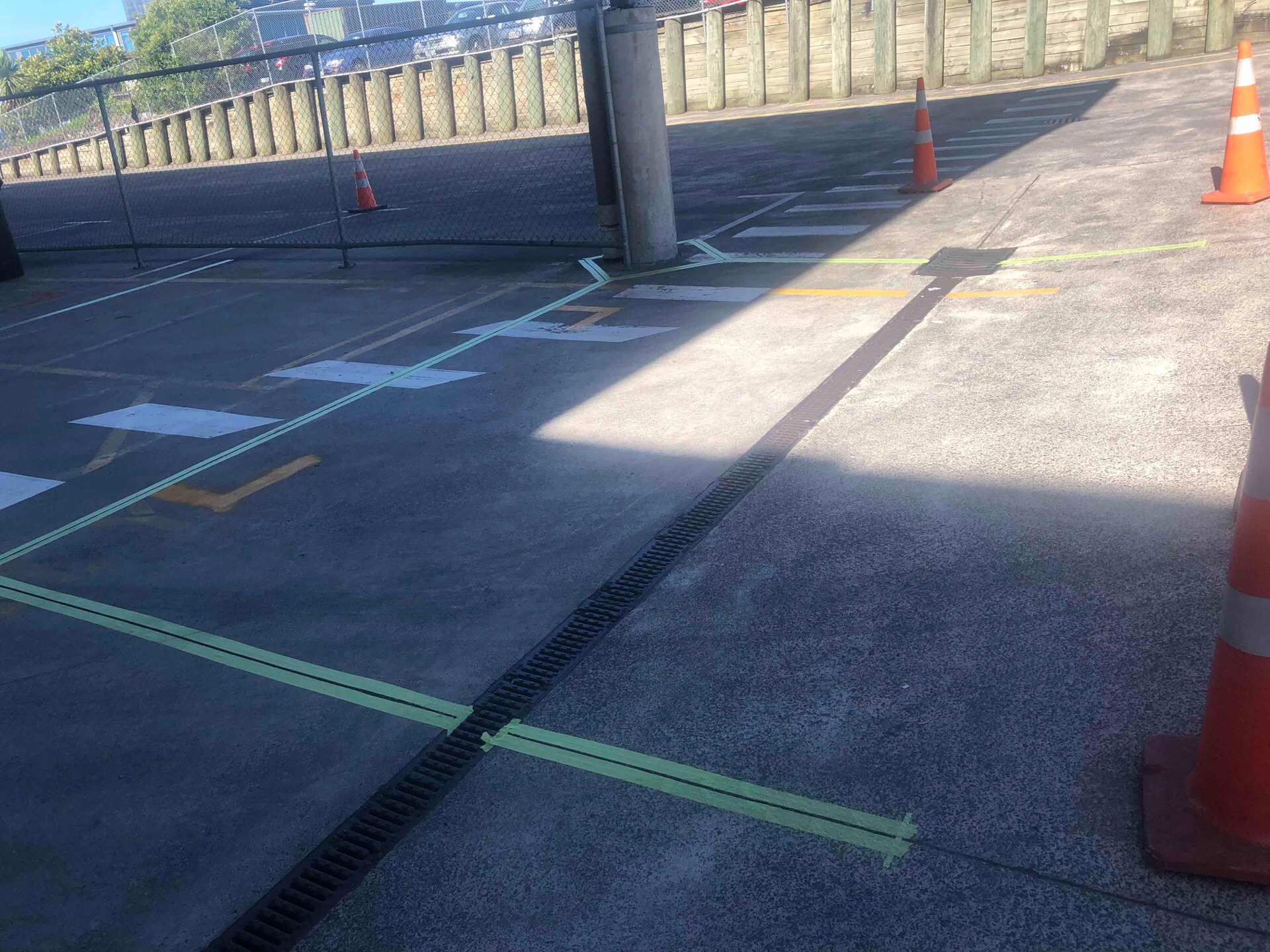

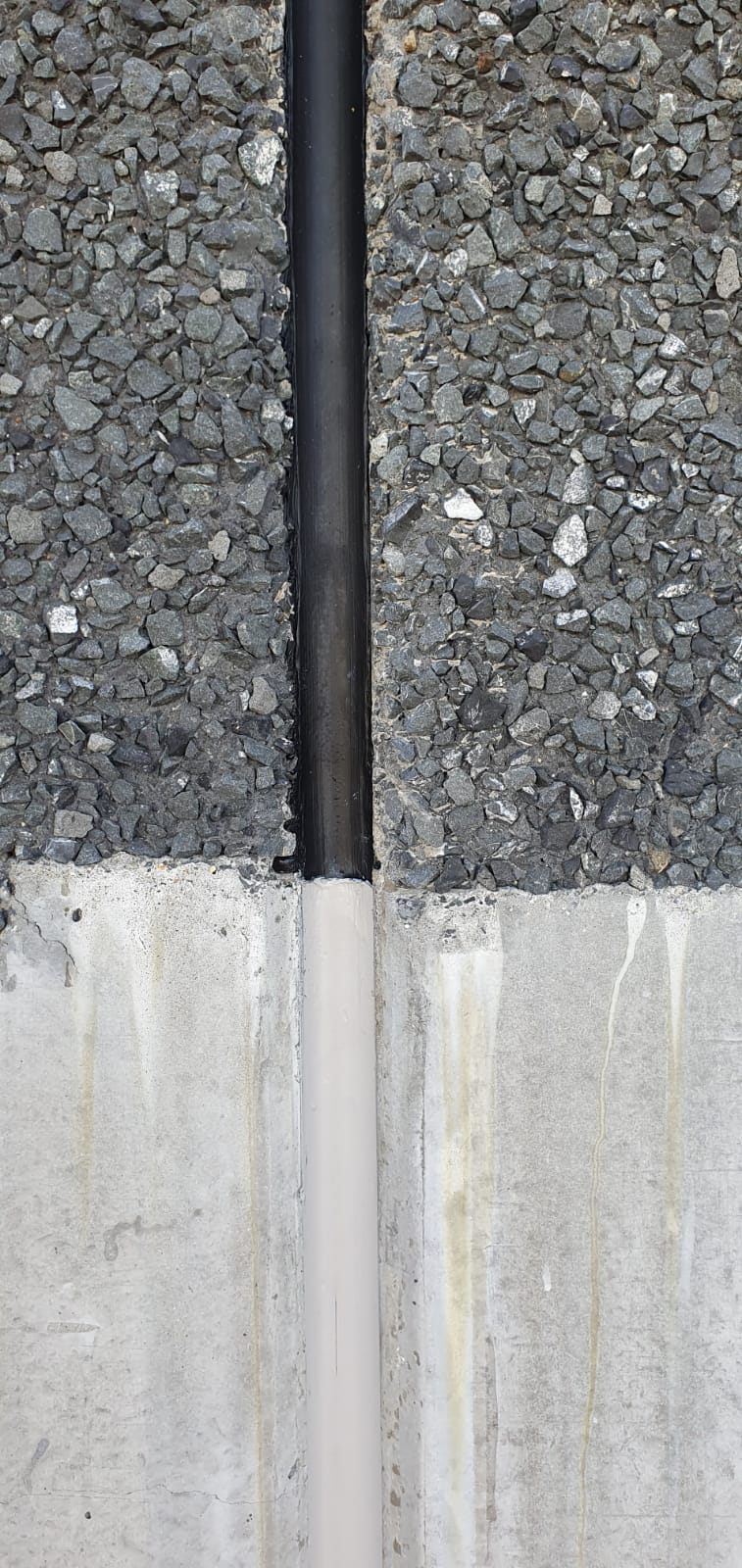
In basements, lift pits, tanks, podiums, retaining structures — and especially precast façades — waterproofing failures typically come down to one thing: details move, interfaces open up, and penetrations are rarely treated properly.
Even the best coating or membrane can fail if:
- a movement joint is cycling with temperature and building movement
- penetrations were never sealed correctly
- cold joints act as hidden water paths
- terminations weren’t designed to accommodate movement or pressure
PCR treats joint sealing and detailing as a specialist service because it’s small-scope, high-consequence work. Done properly it prevents major disruption; done poorly it becomes a recurring headache.
✅ Our Joint & Penetration Packages Typically Include:
Diagnosis & detail strategy
- Identify whether the issue is movement, shrinkage, settlement, vibration, or hydrostatic pressure
- Confirm where water is entering vs where it is appearing
- Decide the correct approach: sealant only, reseal + rebuild detail, injection + sealant, or integrate with a coating system
Joint preparation
- Removal of failed sealants and contaminants
- Correct joint profiling and preparation to achieve adhesion
- Substrate repairs where joint edges have broken down (spalled arrises, cracked edges)
Sealant installation
- Selection of compatible sealant type for exposure and expected movement
- Correct primer use (where required) and joint backing/geometry control
- Installation to support durability, UV resistance and movement accommodation
Penetration detailing
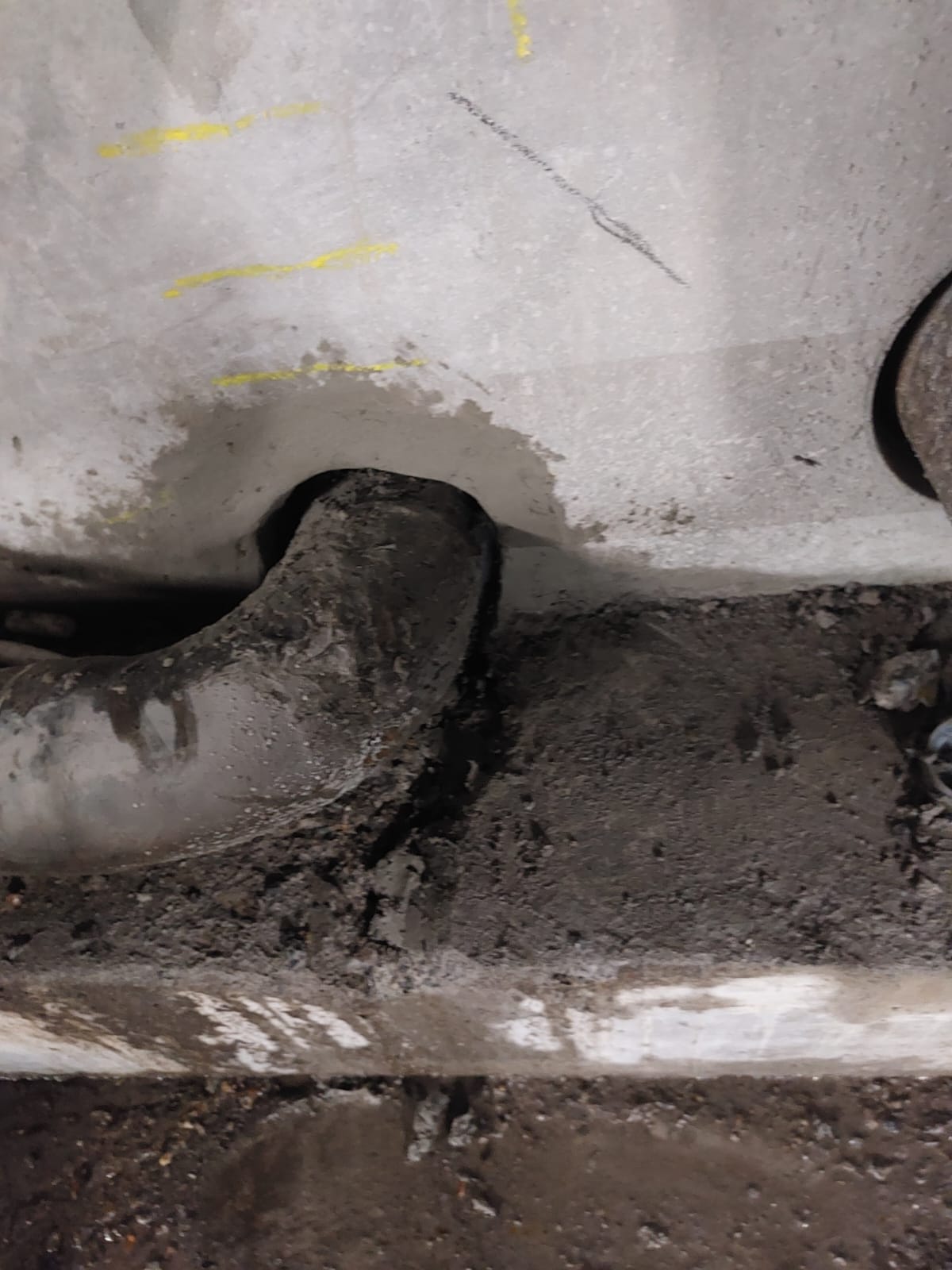
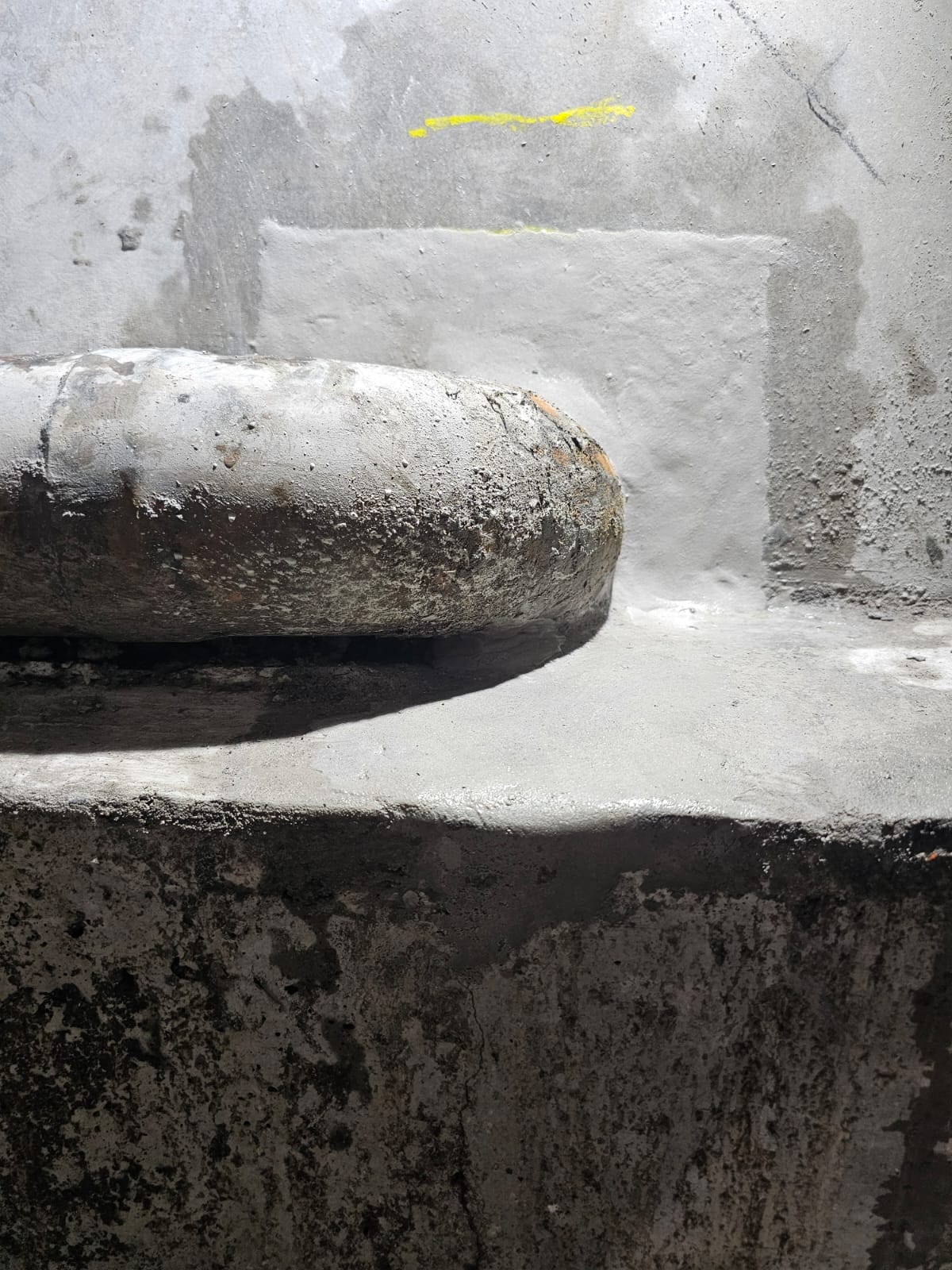
- Sealing around pipe penetrations, conduits, anchors, fixings and sleeves
- Treating irregular shapes and mixed substrates
- Integration with repair mortars/coatings where needed to create a continuous barrier
Interface detailing (common leak zones)
- Wall/floor junctions
- Cold joints and kicker joints
- Terminations between different systems/materials
- Crack-prone corners and re-entrant details
🧩 Precast Panel Movement Joints & Façade Interfaces
Precast façades move — daily and seasonally. When joint geometry is wrong, backing is missing, edges are damaged, or the sealant selection doesn’t suit the movement, joints tear and water tracks behind panels.
PCR provides remedial solutions for precast joints and façade interfaces including:
- Removal of failed sealants and contaminated joint edges
- Repairing spalled/broken arrises at joint edges (where required)
- Correct joint geometry and backing control
- Primer and compatible sealant installation to suit UV exposure and expected movement
- Integration with façade repairs and protective treatments where appropriate
We treat precast joint remediation as a movement-detail system, not a “quick reseal”.
🏗 Typical Applications
- Basements, retaining walls and below-grade structures
- Lift pits and wall/floor junctions
- Tanks and water assets (joints, penetrations, terminations)
- Podiums, planters, service yards and suspended decks
- Industrial facilities where washdown and wet exposure are frequent
- Precast panel movement joints and façade interfaces (vertical/horizontal panel joints, panel-to-slab junctions, perimeter details around windows/doors)
🛠 Common Problems We Solve
- Failed sealant lines that keep leaking after repeated “re-seal” attempts
- Penetrations that leak intermittently with rain events or water table changes
- Wall/floor junctions with recurring dampness or active leaks
- Joints with incorrect geometry (too shallow, no backing rod, poor edge condition)
- Water ingress at panel junctions and perimeter details
- Details that require a combined strategy (repair + injection + sealing)
📌 Why Choose PCR?
- We’re detail-focused and water-path driven — not “reseal and hope”
- Strong integration with concrete repairs and waterproofing systems when details are part of a bigger failure
- Practical delivery in live environments with sequencing and access constraints
- ISO-backed QA documentation for consultants, councils and main contractors
- High standard of substrate preparation (where most sealant jobs fail)