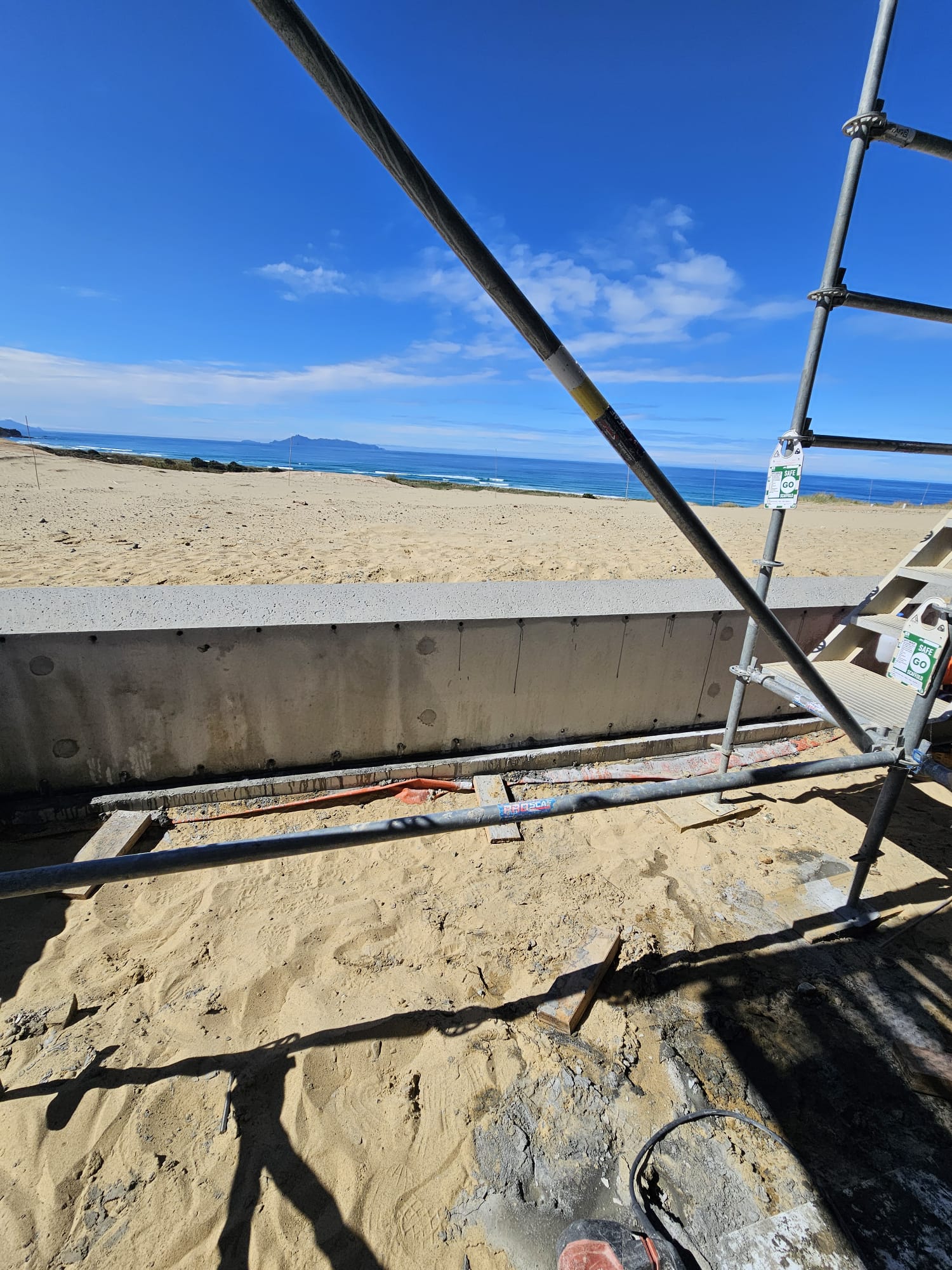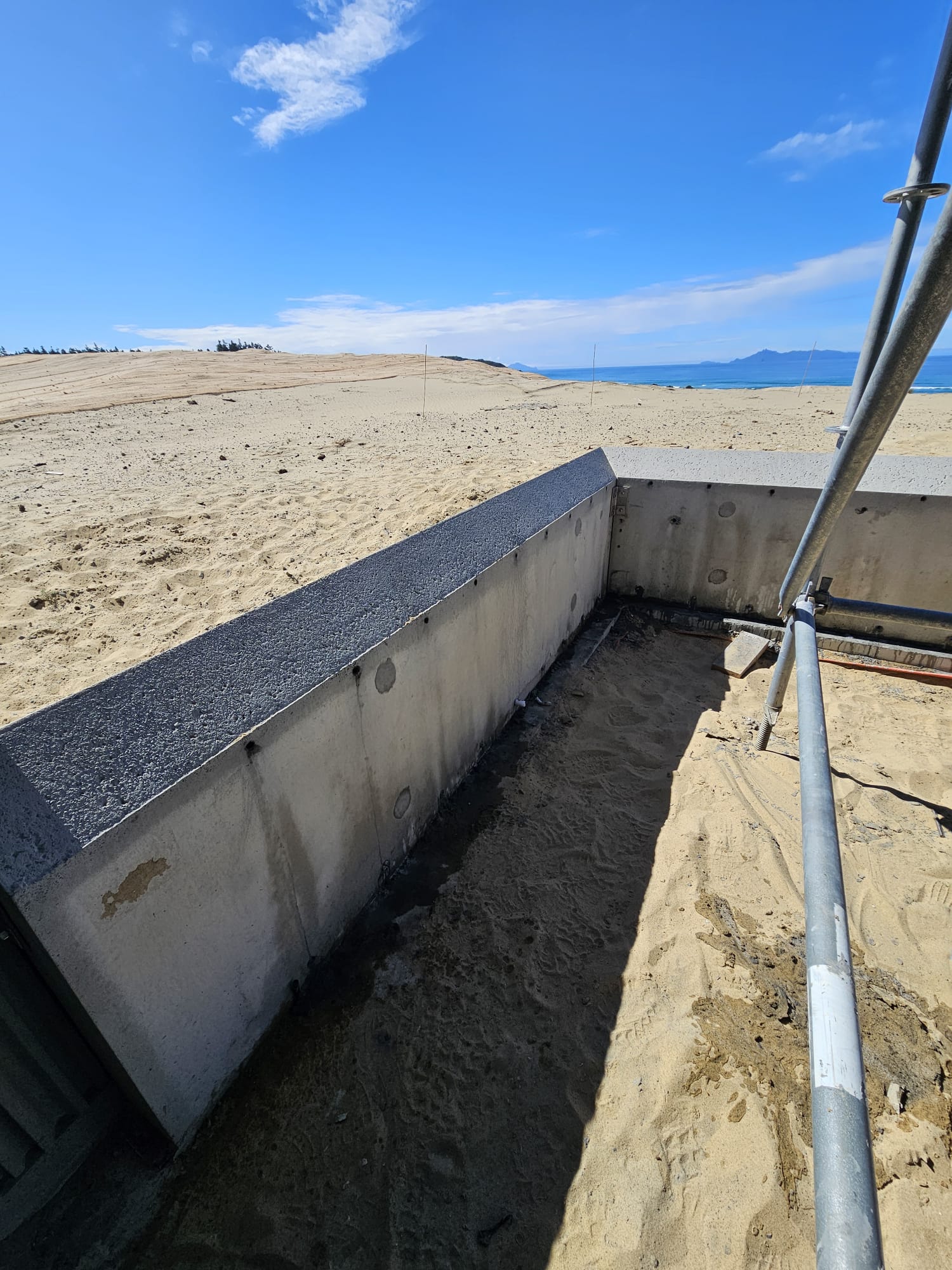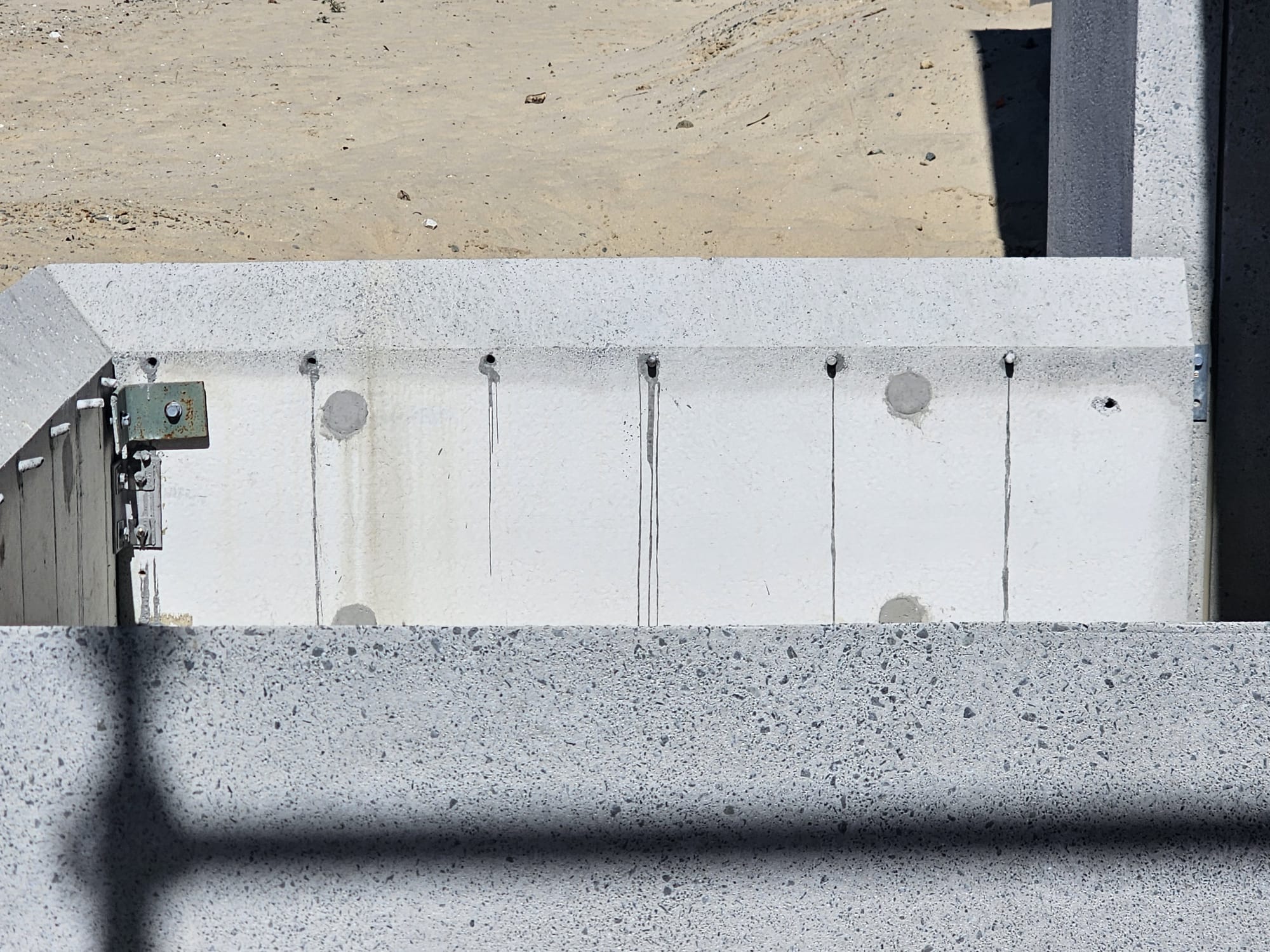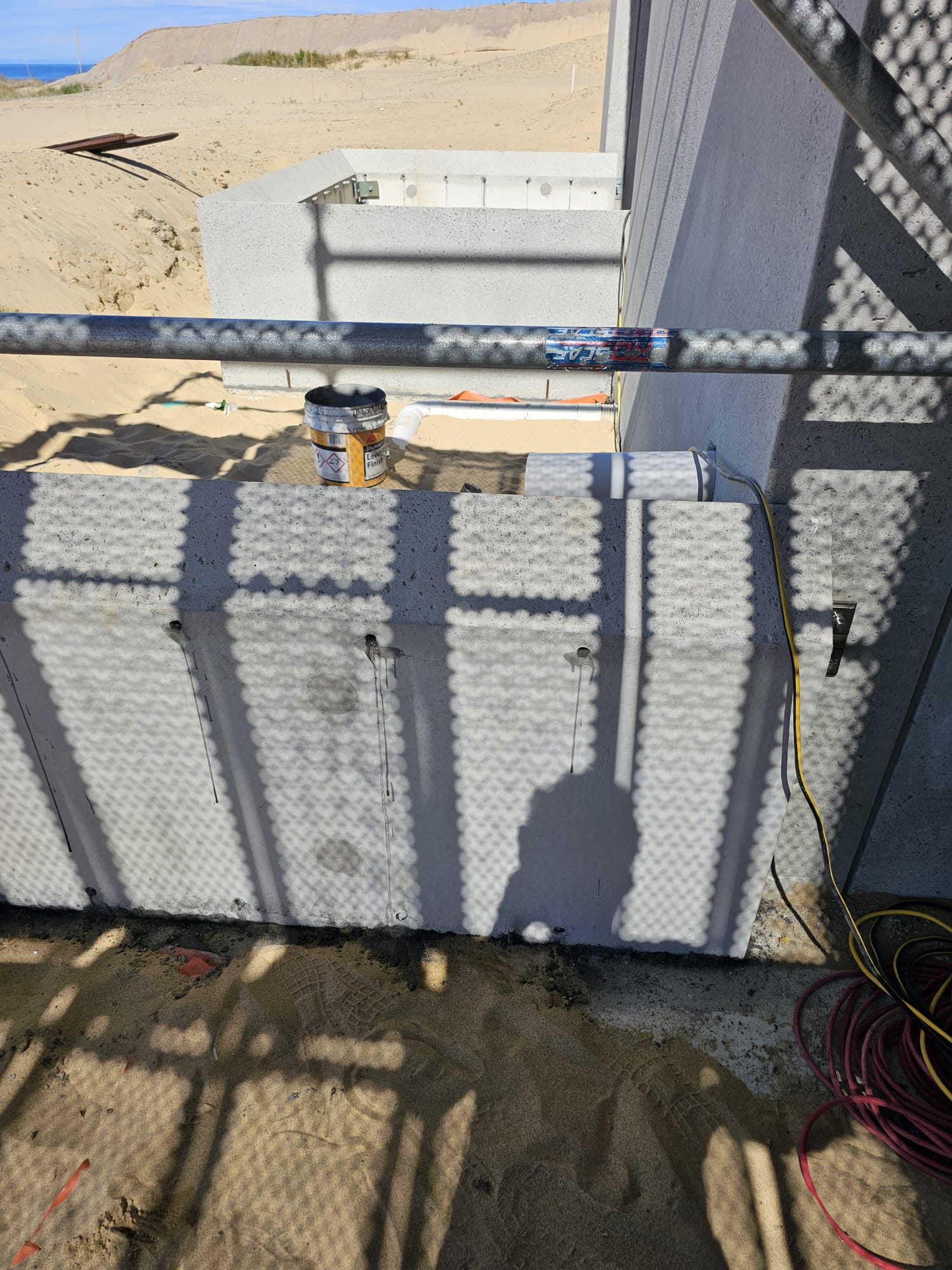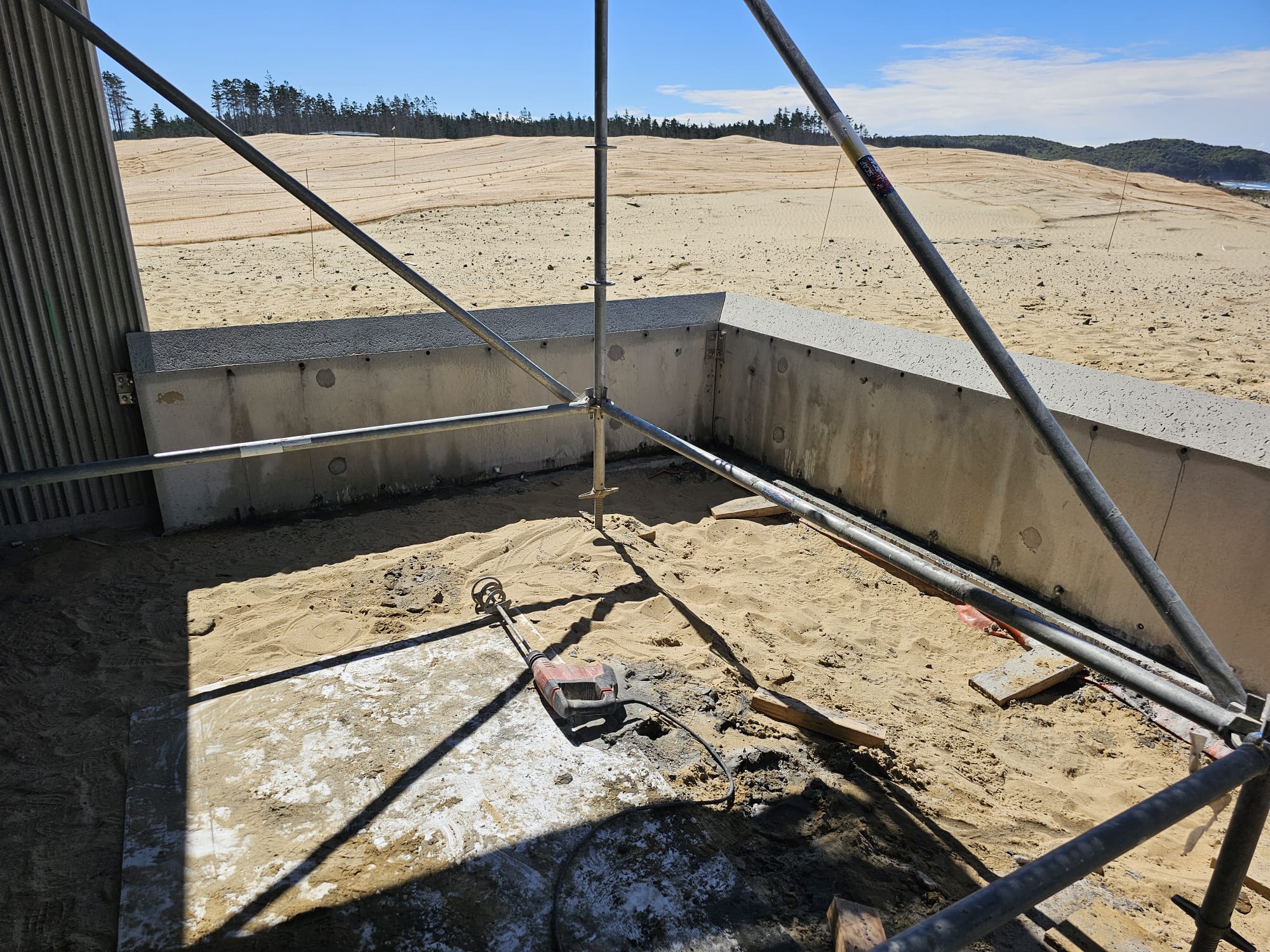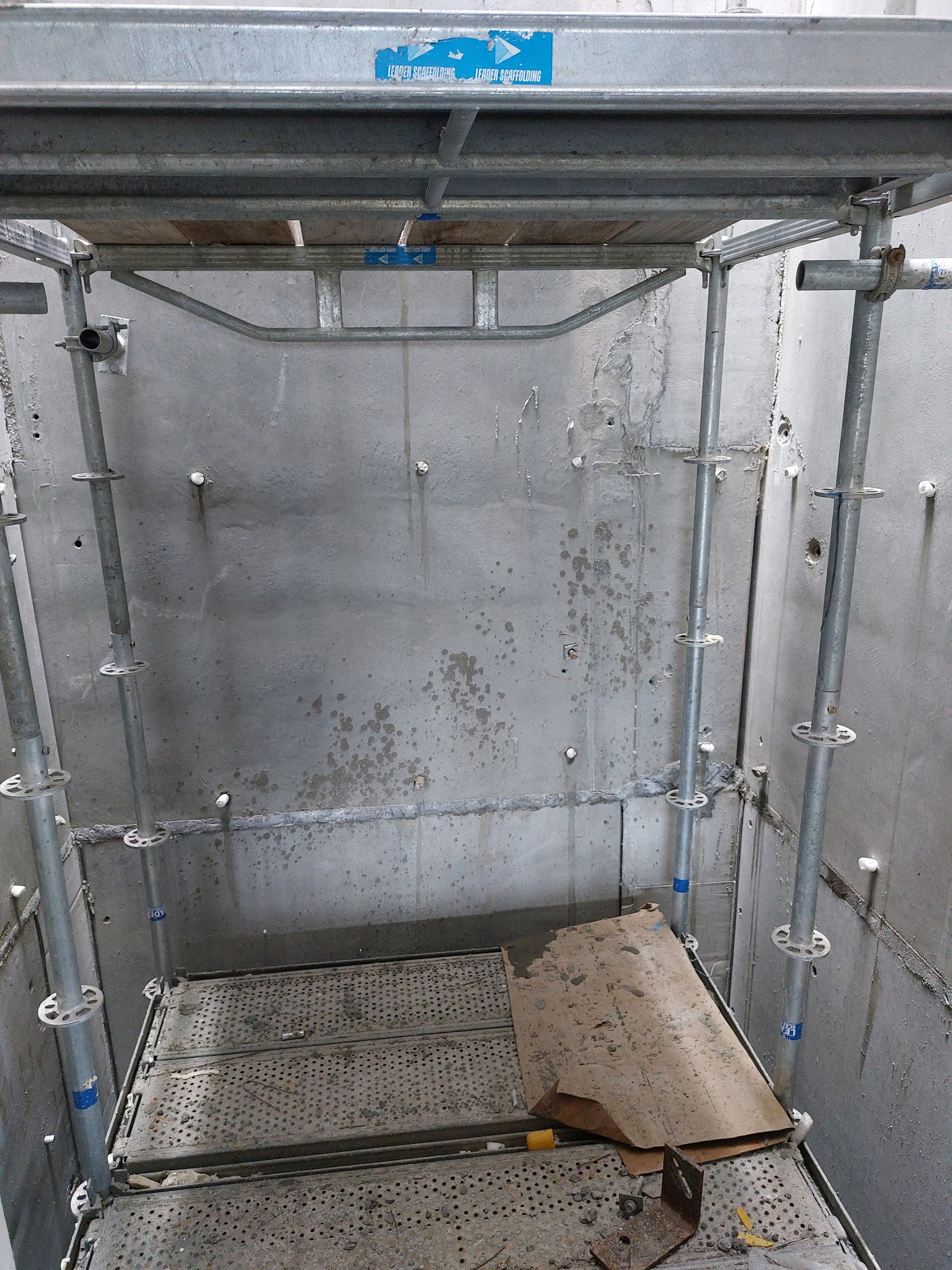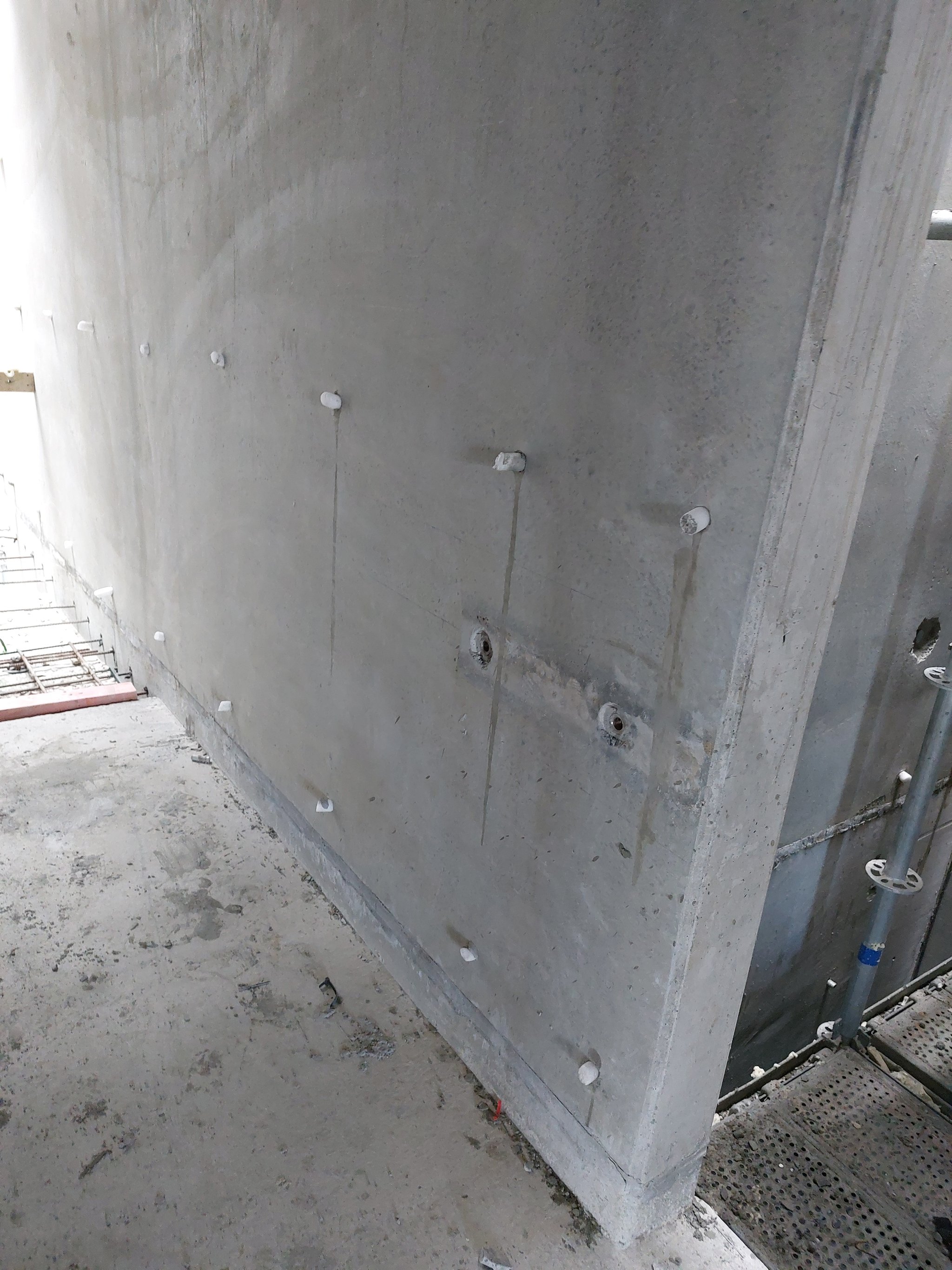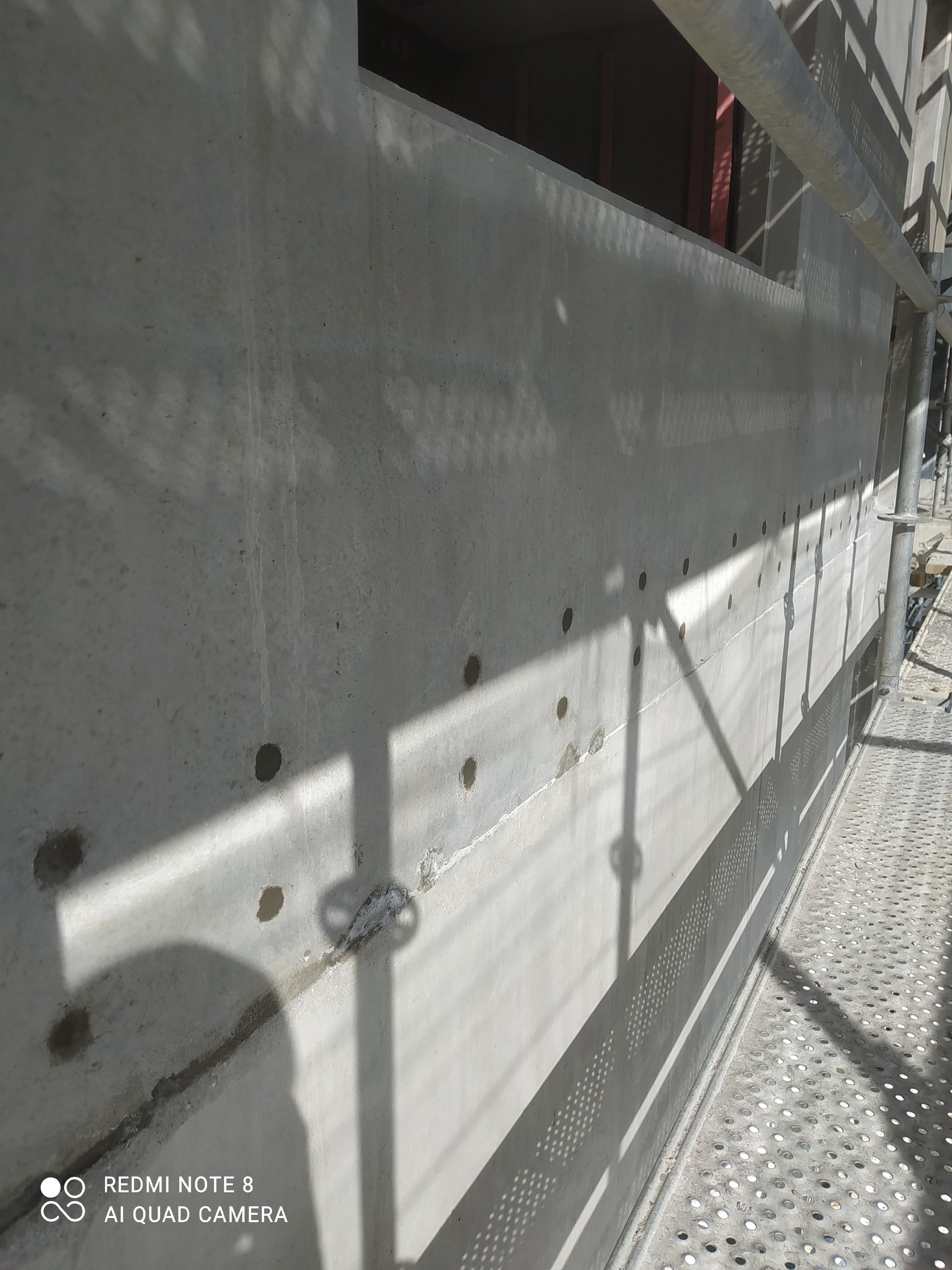

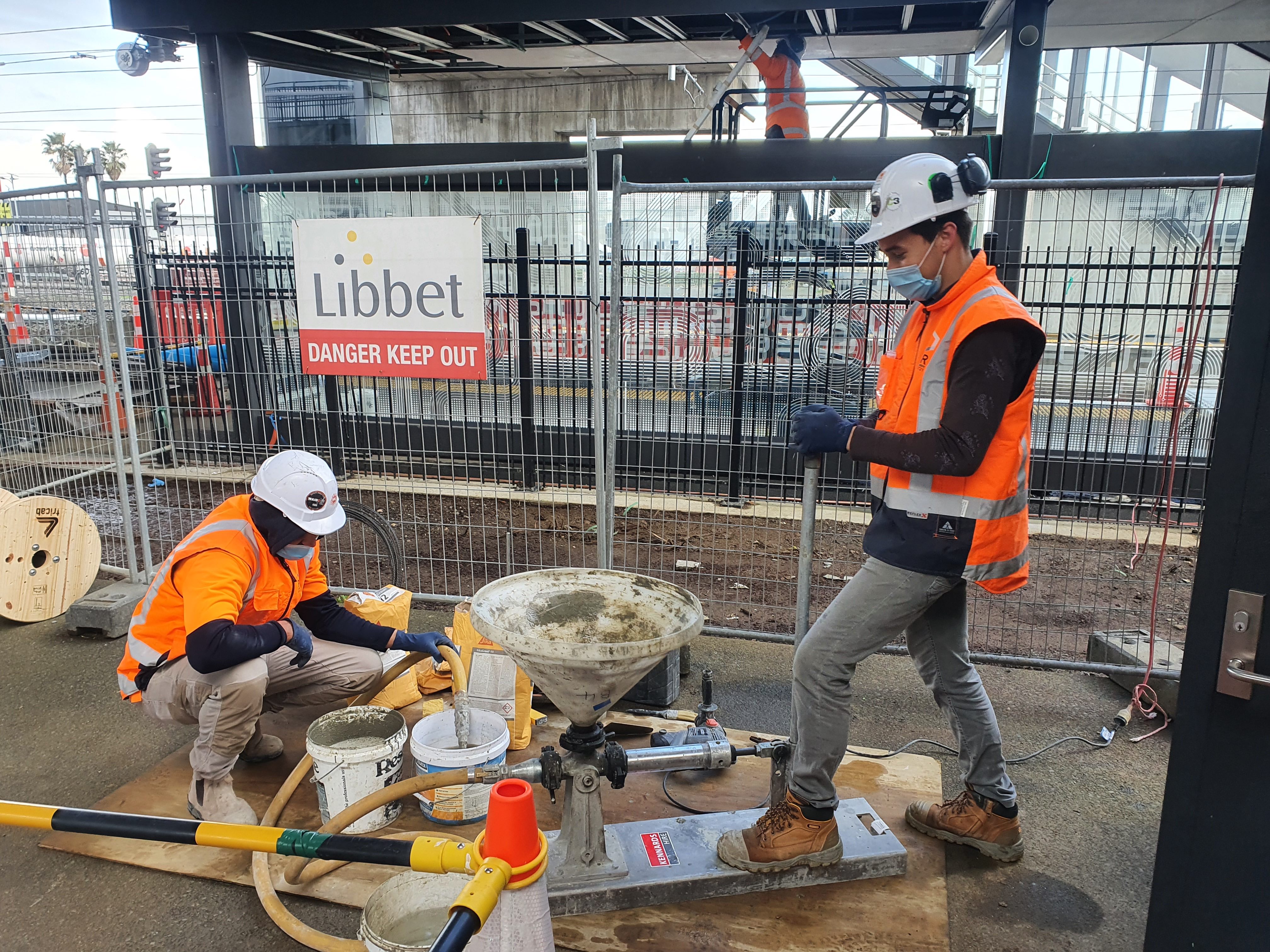
In below-grade and precast work, many leaks aren’t through the face of the concrete — they’re through voids and connection pathways. Grouting is often the step that closes the pathway so water can’t track inside the structure or behind a waterproofing barrier.
A common example is the grouted duct connection, where starter bars from one precast element insert into ducts cast into another element and the ducts are then pumped full of grout after assembly. If that grout fill is incomplete or voided, you can end up with water tracking through the connection zone.
✅ Our Drossbach / Duct & Void Sealing Packages Typically Include:
Investigation & pathway confirmation
- Identify what you’re dealing with: duct formers, grouted duct connections, pockets, sleeves, tie holes, or honeycombing
- Confirm likely water route (often the wet patch is not the entry point)
Access & preparation
- Locate practical grout points and (where needed) create injection/vent points
- Clean and prep pockets/duct entries so grout can actually bond and run continuously
Controlled grouting / void filling
- Grout placement with a deliberate fill strategy (typically staged + vented) to minimise trapped air and discontinuities
- Use of appropriate non-shrink, high-strength cementitious grouts where specified; for example, some NZ specs reference products specifically noting suitability for use in “Drossbach” ducts.
Anchoring & dry-pack reinstatement
- Reinstatement of anchor pockets / local bearing zones (where required)
- Make-good to return the surface to a durable, sealed condition
Water-path sealing at defects
- Treatment of tie holes / rock pockets / defective concrete zones with watertight repair grout approaches where relevant (these are classic leak points).
Integration with waterproofing systems (when needed)
- If water is still bypassing via joints or behind walls, we integrate with:
- Waterproofing Injection (PU / Acrylic curtain injection)
- Joint sealing & penetration detailing
- Negative-side waterproofing systems
🏗 Typical Applications
- Precast connections and grouted duct connection zones (panel bases, wall joints, connection regions)
- Drossbach ducting used as cast-in formers for precast connections, service penetrations and starter bars
- Tie holes, sleeves and pockets acting as concealed water paths
- Below-grade structures where leaks persist despite resealing or coating attempts
🛠 Common Problems We Solve
- Leaks that “move around” because water is travelling inside ducts/voids before showing up
- Repeat ingress after resealing because the real pathway is behind/within the structure
- Defects linked to inadequate grout filling and poor continuity through duct zones (a known issue that QA/QC processes specifically try to control).
📌 Why Choose PCR?
- We treat ducts/voids as water-path engineering, not just “pump grout”
- We understand where Drossbach ducting shows up on NZ sites (connections, penetrations, starter bars, PT ducts)
- We integrate the fix with the rest of the waterproofing system: details + injections + barriers
- ISO-backed QA habits: documentation, photos, traceability