
.jpg)
Cleaning and coating removal sounds straightforward — until you’re dealing with a heritage façade, architectural concrete, or an exposed substrate that can be permanently damaged by the wrong method.
Aggressive blasting, harsh chemicals, or excessive pressure can do more harm than good:
- etching cement paste
- damaging mortar joints and arrises
- exposing aggregate unintentionally
- creating patchiness and colour variation
- or driving water and contaminants deeper into the wall
PCR treats cleaning as a restoration step, not a washdown. The goal is to:
- remove what needs to be removed — dirt, staining, biological growth, failed coatings, or surface contamination
- preserve what should remain — texture, patina, sharp edges, mortar integrity, and substrate character
- leave the surface in the right condition for the next stage — whether that is repairs, repointing, protective coatings, staining, or sealing
✅ Our Cleaning & Surface Preparation Packages Typically Include:
Assessment & trial approach
- Identify the substrate type and sensitivity, including brick, stone, block, architectural concrete, precast, and older mortar-based surfaces
- Confirm what is on the surface: dirt, mould, algae, lichen, efflorescence, paint, anti-graffiti coating, sealer residue, rust staining, or general environmental contamination
- Trial a small area first where required, to confirm the right method and avoid unnecessary damage or over-cleaning
Steam cleaning
- Controlled steam cleaning to lift grime, biological growth, and general surface build-up
- Lower-impact cleaning option compared to aggressive high-pressure washing
- Particularly useful where the goal is to clean the façade while preserving surface texture and substrate integrity
Acid washing (where suitable)
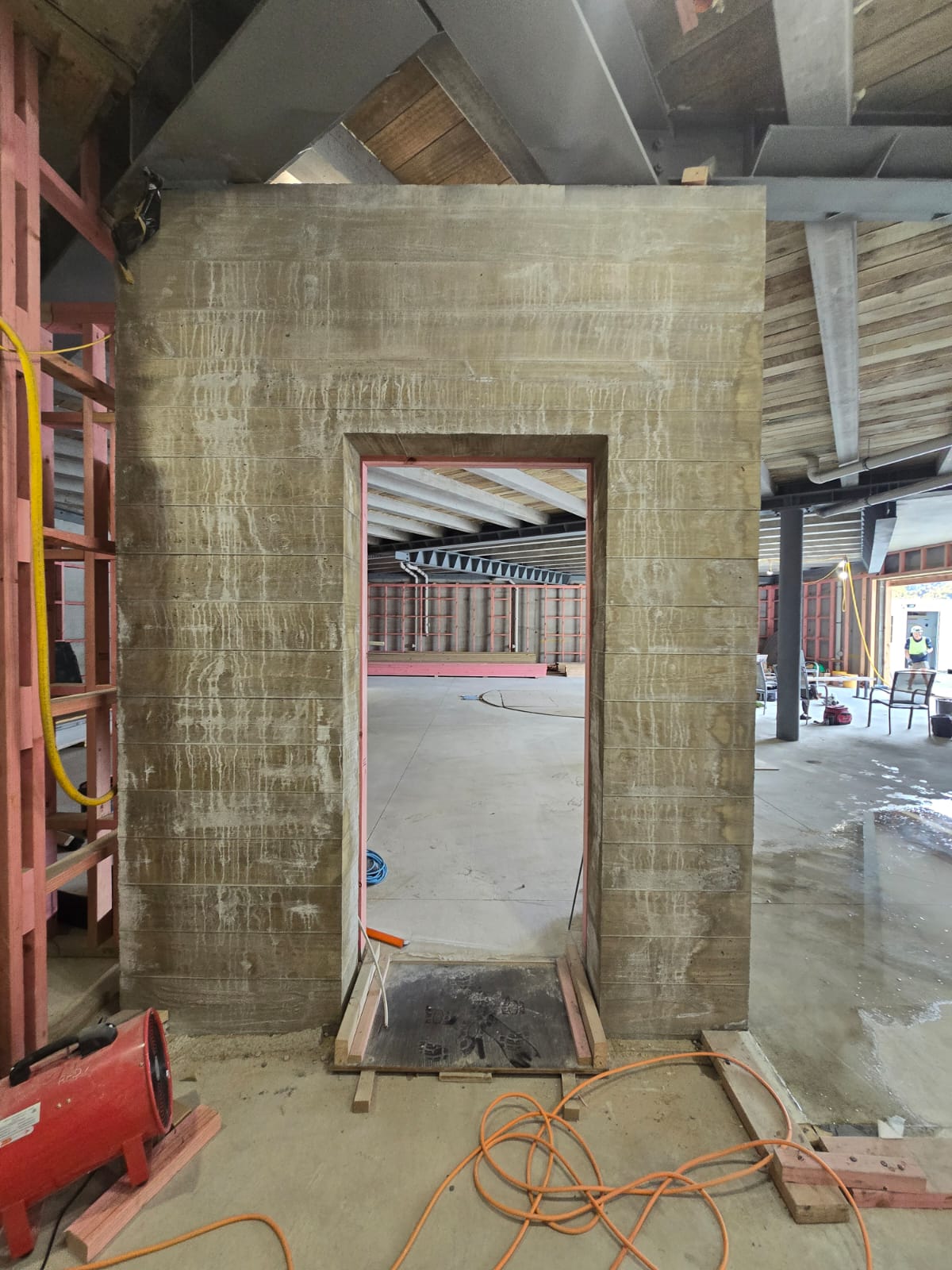
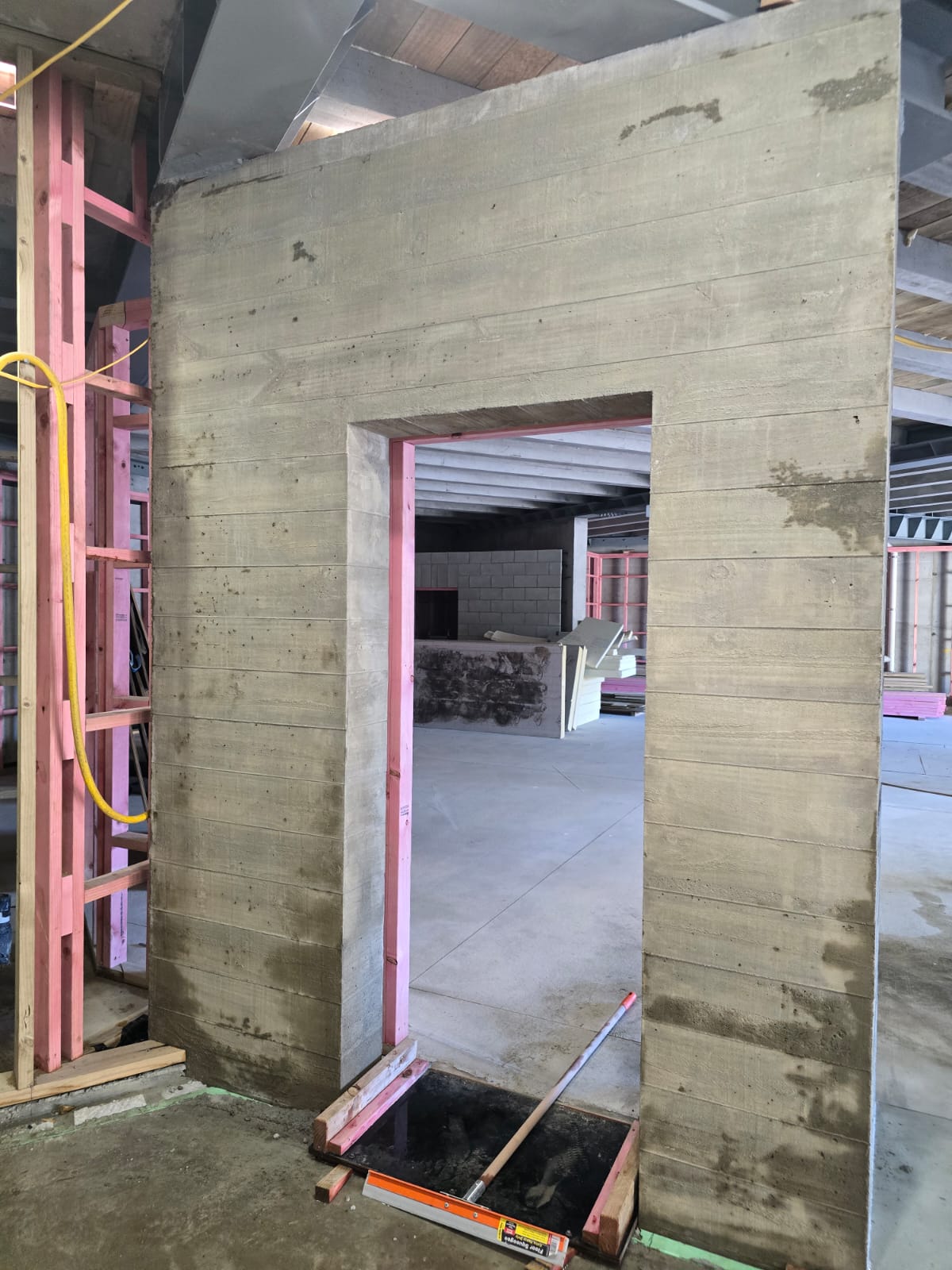
- Controlled acid washing for concrete and masonry surfaces where a deeper clean, cement residue removal, or stain reduction is required
- Used selectively and carefully — not as a default method
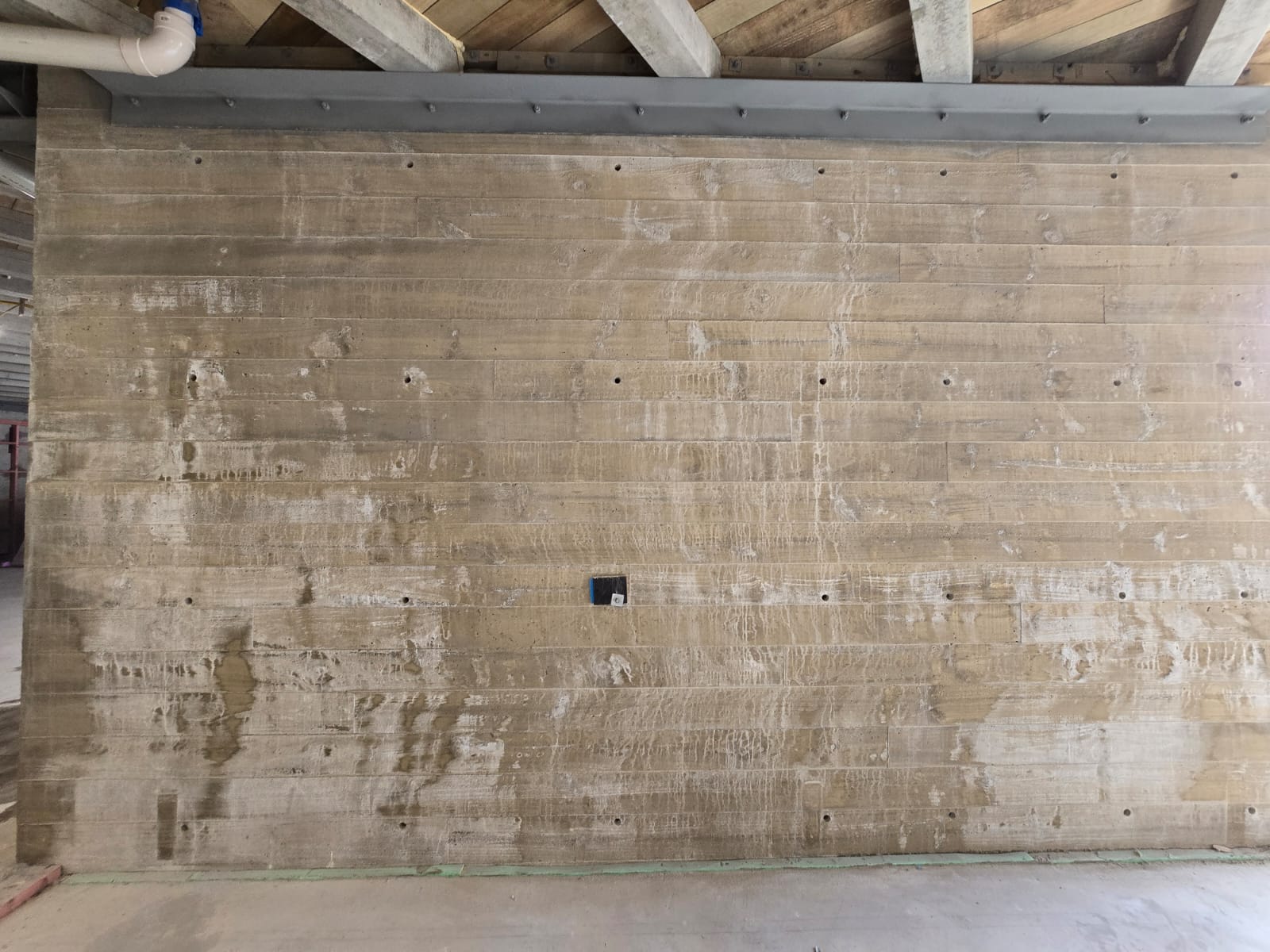
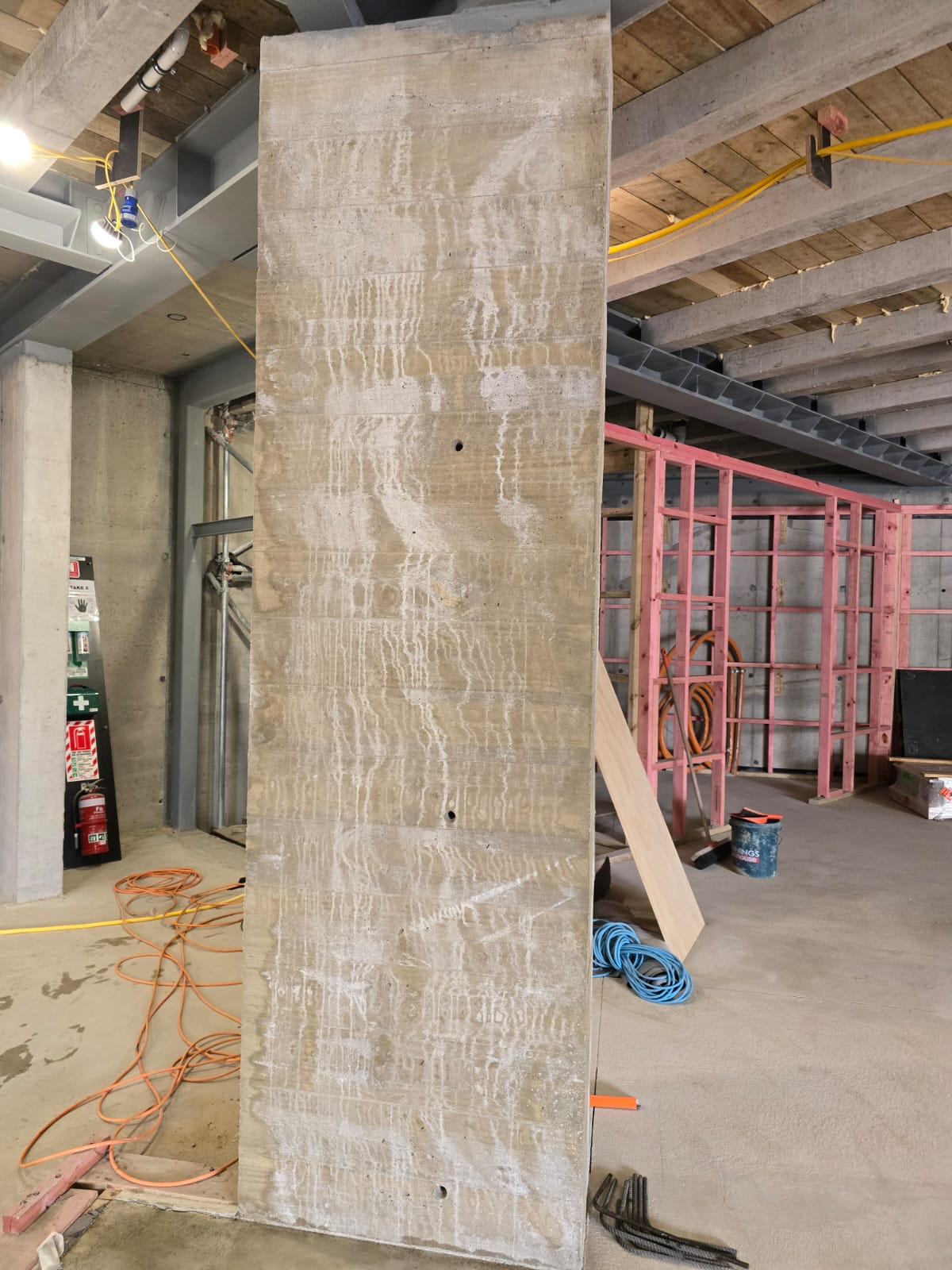
- Particularly relevant for removing cement smears, surface contamination, and helping prepare some surfaces before staining, sealing, or remedial works
- Always assessed against the substrate condition, as the wrong acid strength or dwell time can permanently alter the appearance of the surface
Controlled cleaning methods
- Low-pressure washing where appropriate
- Gentle mechanical preparation for stubborn contamination or failing coatings
- Localised chemical cleaning methods selected to suit the substrate and avoid long-term damage
- Neutralisation and proper rinsing where acid or chemical methods are used
Coating / sealer removal
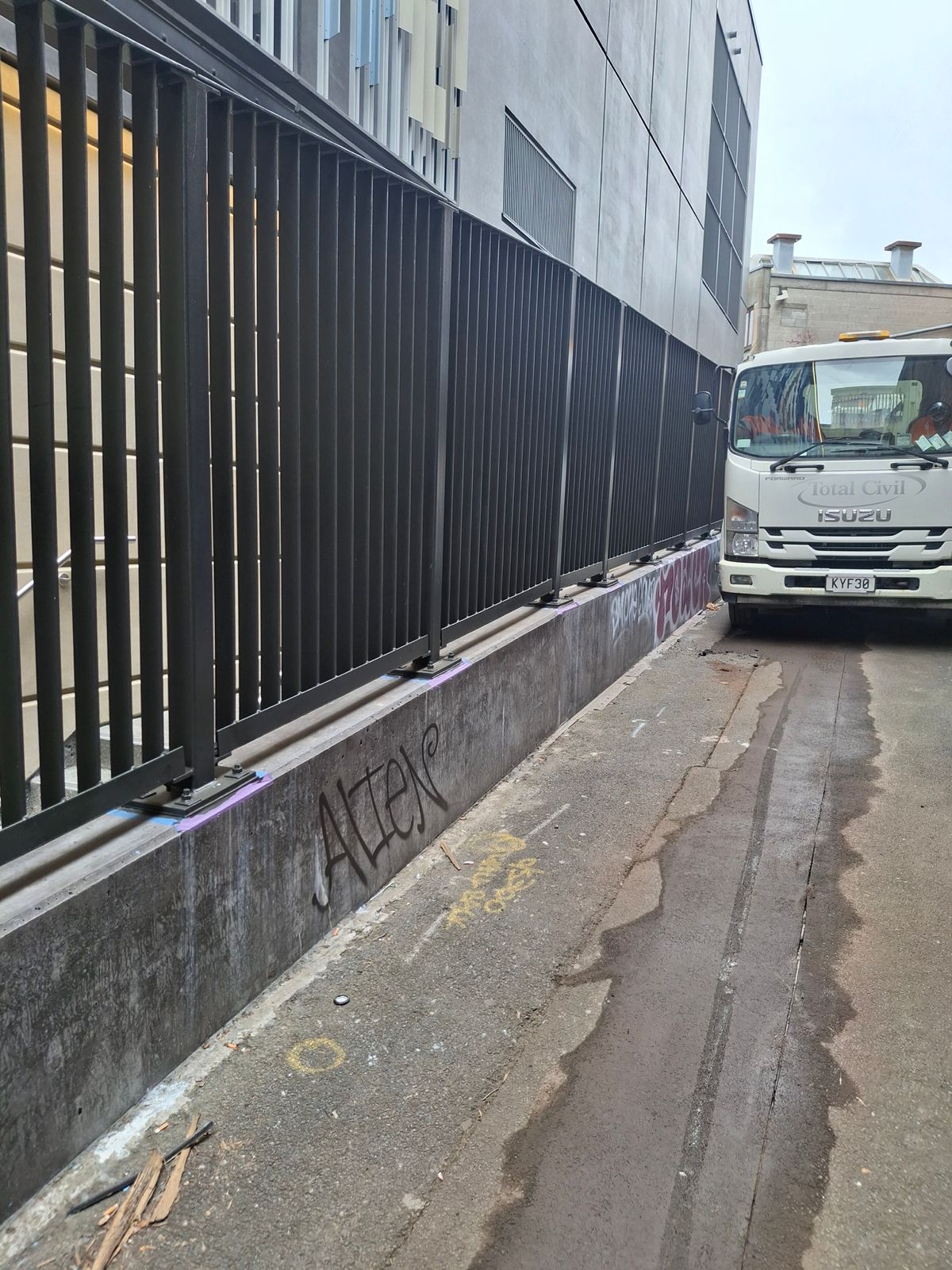
- Removal of failing paints, clear sealers, anti-graffiti systems, and incompatible surface treatments
- Controlled approach to avoid scarring, over-etching, or damaging the face of the substrate
- Preparation of the surface to the correct cleanliness and profile for follow-on works
Post-cleaning preparation
- Identify hidden defects revealed during cleaning, such as cracks, delamination, open joints, honeycombing, or failed previous repairs
- Prepare the substrate for repointing, repairs, coating systems, or protective treatments
- Leave the surface in a condition that supports the next trade, rather than creating new problems
🏗 Typical Applications
- Heritage brick and masonry façades
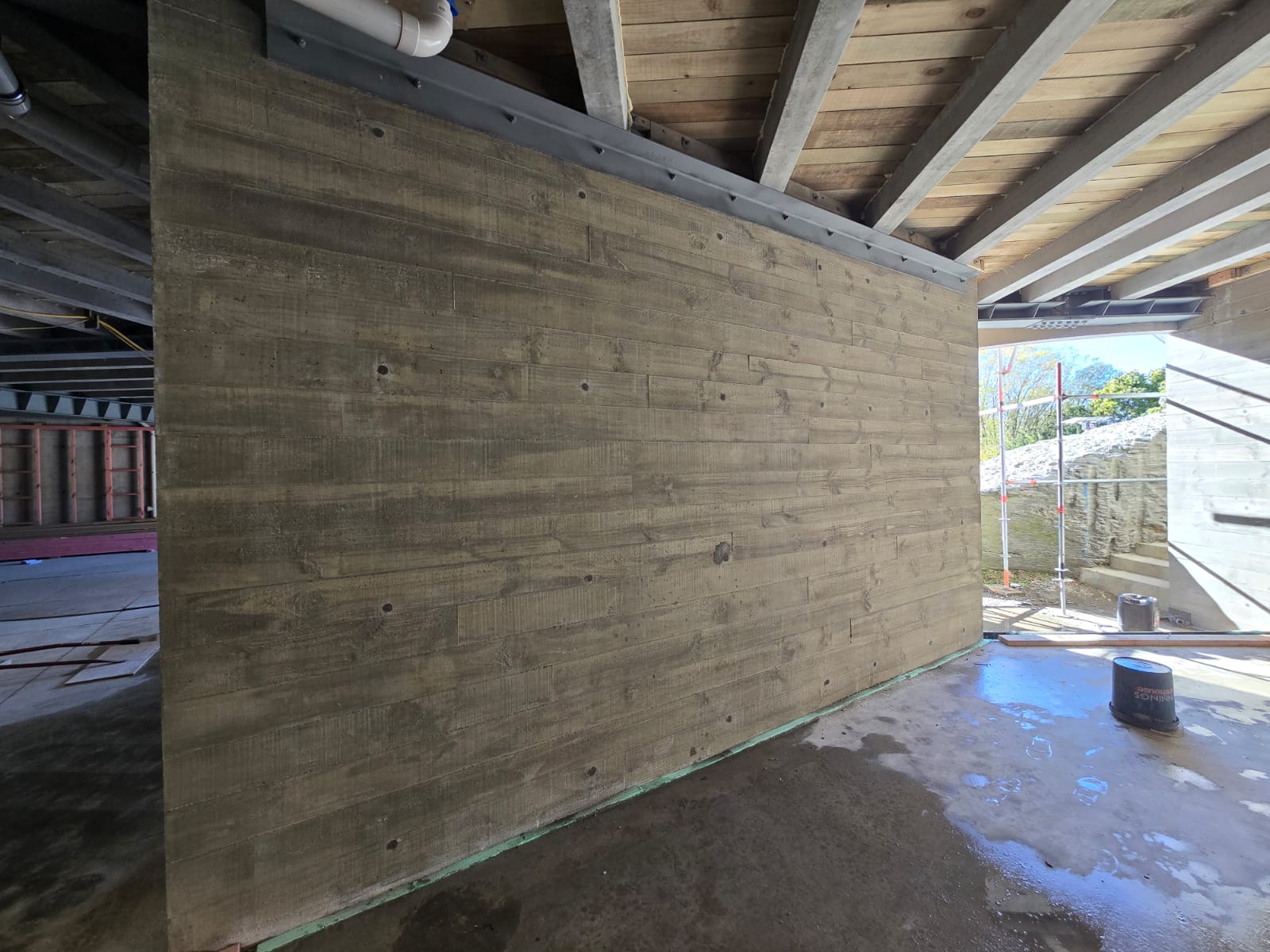
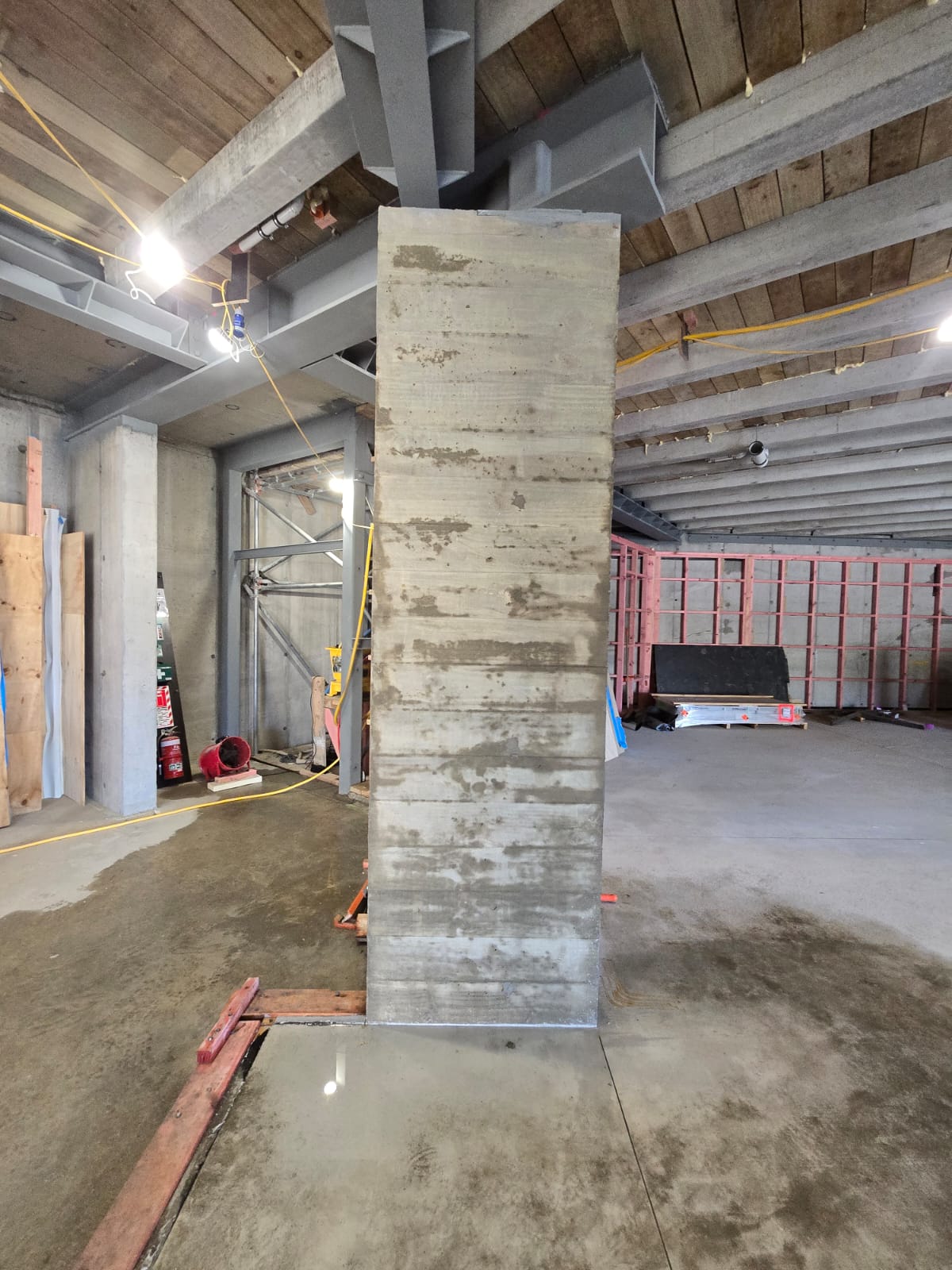
- Architectural concrete walls, columns, and feature elements
- Precast façades prior to repairs, joint remediation, or protection
- Surfaces affected by dirt build-up, biological growth, staining, or failed sealers
- Concrete requiring preparation before painting, staining, texture coating, or sealing
- Façades and exposed elements where cement residue or construction staining needs to be reduced carefully
🛠 Common Problems We Solve
- General dirt build-up and uneven façade presentation
- Mould, algae, and lichen that retain moisture and accelerate deterioration
- Efflorescence residues and repeat staining caused by incorrect cleaning methods
- Cement smears and surface contamination requiring controlled acid washing
- Peeling or flaking coatings that trap moisture and spoil the finish
- Surfaces that need cleaning but cannot tolerate aggressive blasting or harsh high-pressure treatment
- Inconsistent, patchy surfaces that need to be cleaned and prepared carefully before restoration or finishing works
📌 Why Choose PCR?
- Restoration-first mindset — preserve the substrate, don’t just “make it look clean”
- Practical understanding of when to use steam cleaning, acid washing, mechanical preparation, or a combination of methods
- Trial-based approach to reduce risk on sensitive or high-visibility surfaces
- Strong integration with façade repairs, repointing, staining, sealing, and protective coatings
- Practical delivery on live sites with staging, containment, and public safety in mind
- ISO-backed QA systems with documented methods and outcomes
.jpeg)
.jpeg)
.jpeg)