

.jpeg)
Reinforced concrete doesn’t usually “wear out” — it corrodes. Once steel starts rusting, the expansion creates cracking, delamination and spalling, and repairs become a cycle unless the corrosion mechanism is dealt with properly.
At PCR, we focus on corrosion control as a life-extension strategy, not an add-on. That means we don’t just reinstate concrete; we look at exposure conditions and corrosion drivers (carbonation, chlorides, moisture pathways, poor detailing), then build the right corrosion mitigation measures into the repair methodology.
This is especially important in New Zealand’s aggressive environments — coastal exposure, wind-driven rain, car parks, podiums and water assets — where “patch and go” repairs often fail early due to incipient anode effects and ongoing contamination in adjacent concrete.
✅ Our Corrosion Control Packages Typically Include:
Assessment & corrosion risk understanding
- Identify likely corrosion drivers (carbonation, chlorides, moisture ingress, detailing issues)
- Review existing deterioration pattern and previous repair performance
- Agree the intended remaining service life and repair strategy
Steel exposure, treatment & reinstatement (within repair scopes)
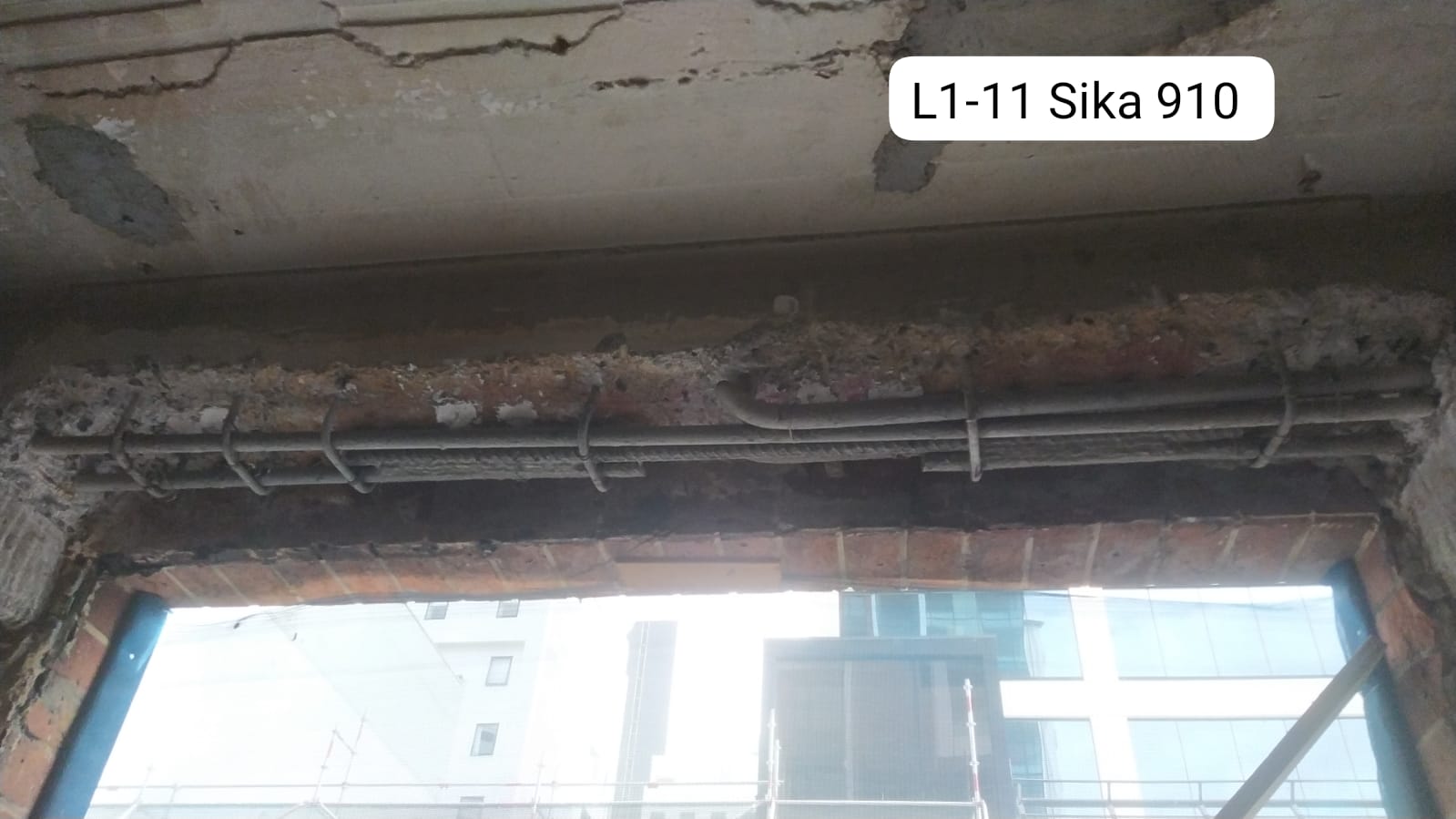
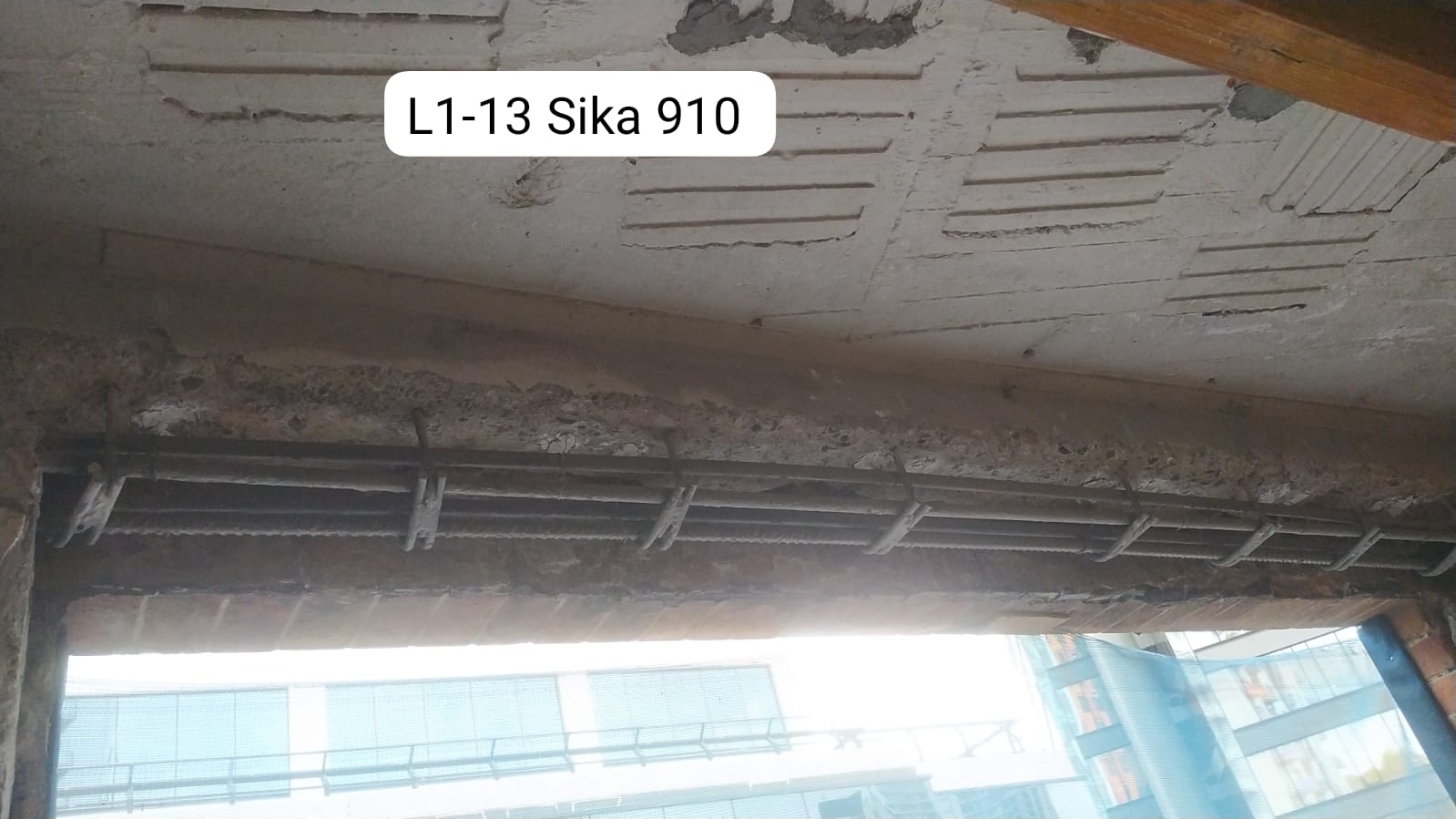
- Controlled breakout and removal of contaminated/unsound concrete
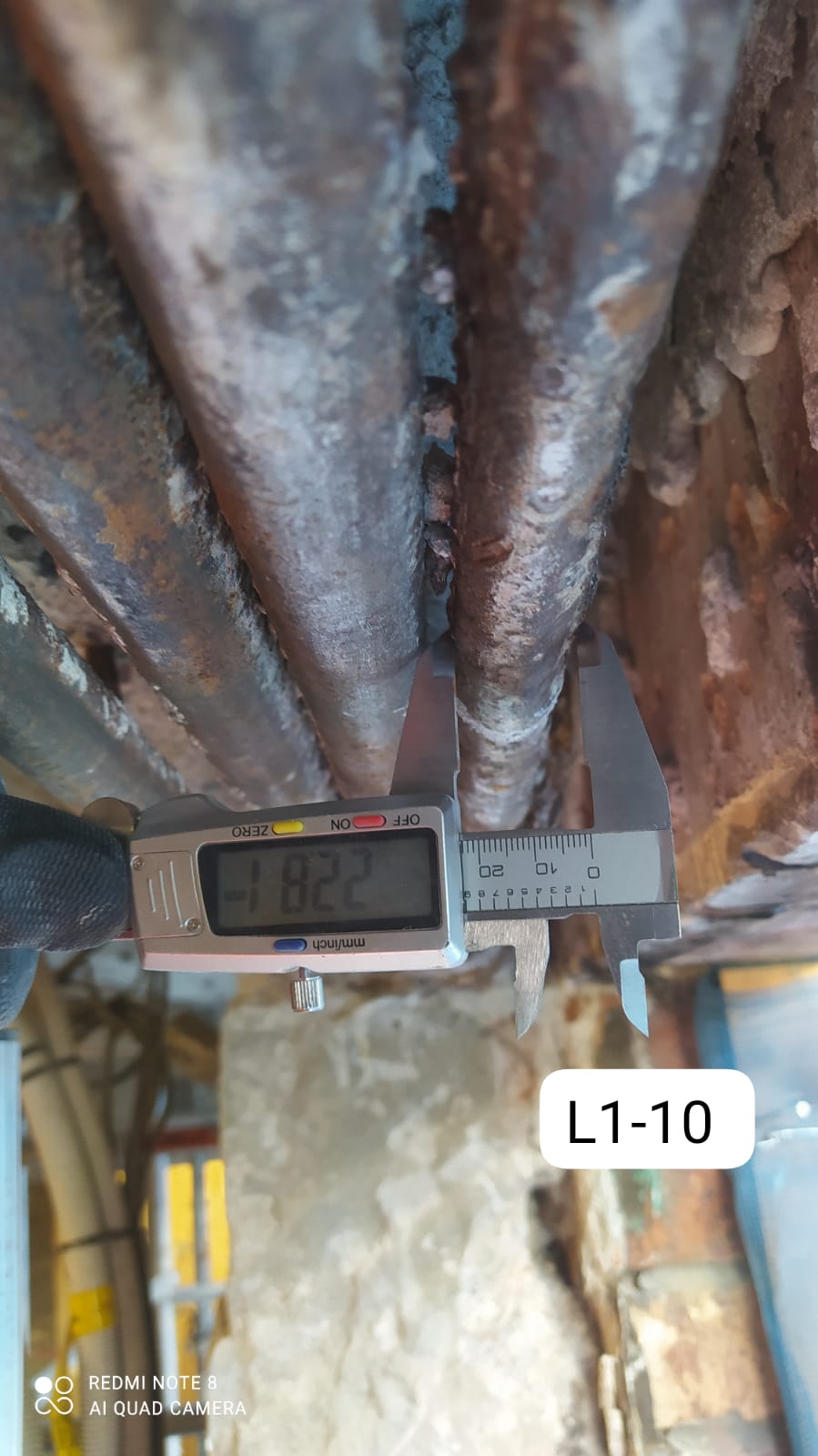
- Cleaning and assessment of reinforcement condition and section loss
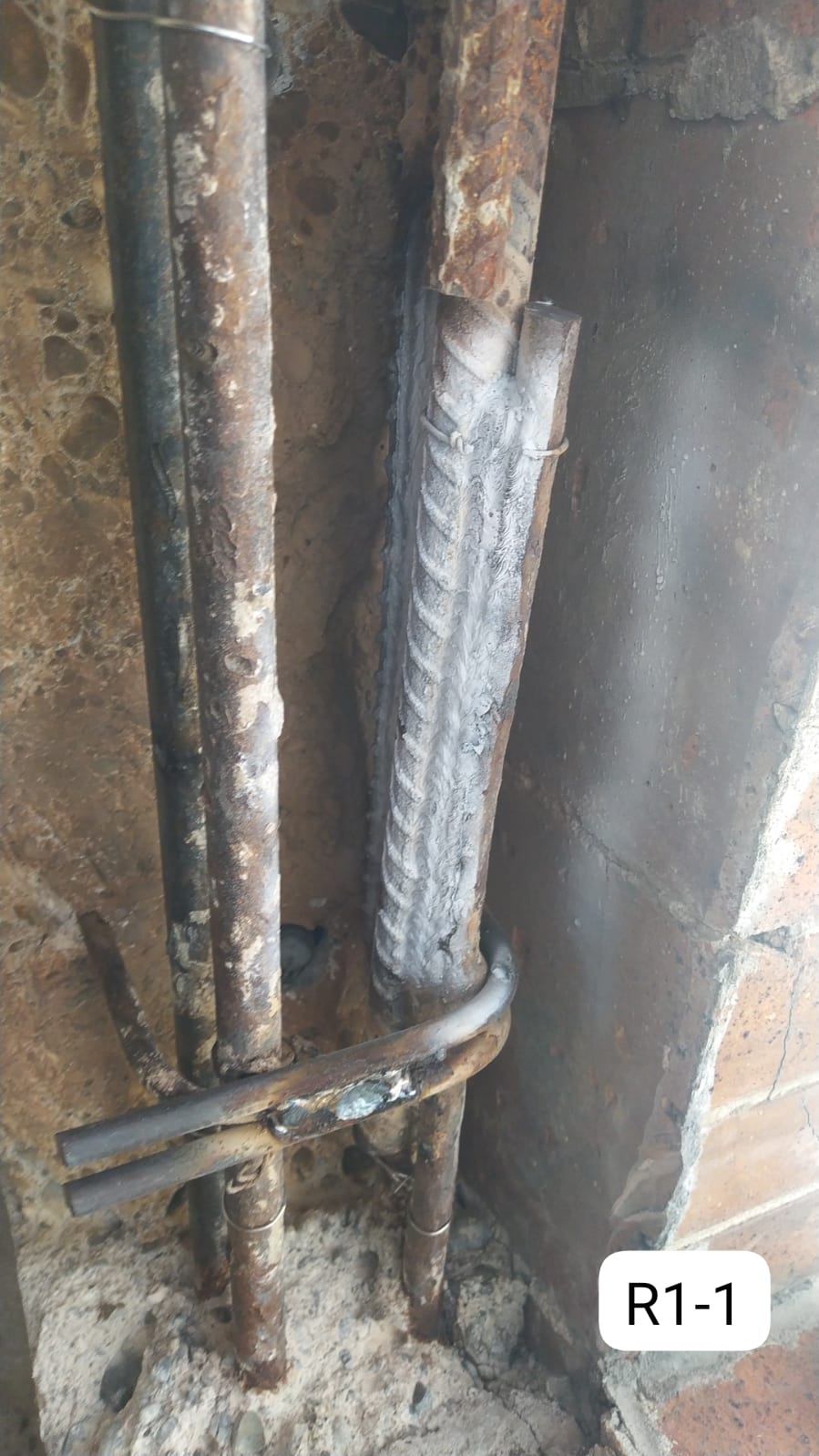
- Steel replacement where required as part of remedial reinstatement
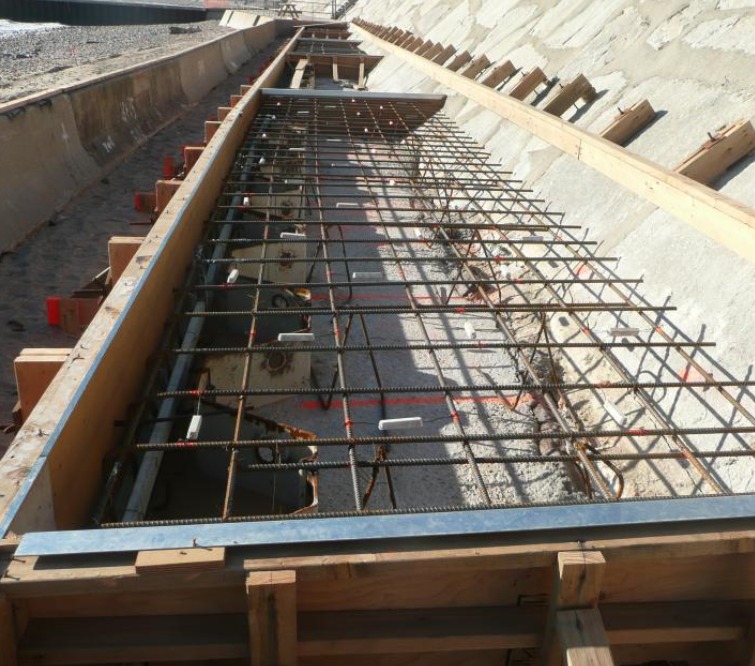
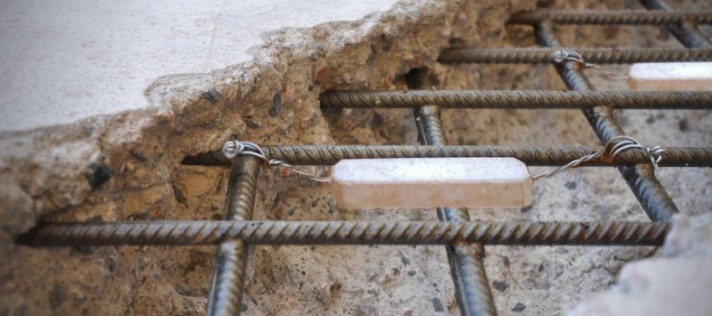
Sacrificial anode installation (patch anodes)
- Installation of sacrificial anodes within repair zones to reduce future corrosion activity
- Used to help manage incipient anode risk at repair boundaries
- Integrated into repair mortar reinstatement and QA documentation
Cathodic protection integration (where specified)
- Works that support broader CP strategies on structures (as required by the project)
- Installation and coordination of corrosion protection components in collaboration with project designers/suppliers when applicable
- QA records, photos and traceability aligned with project requirements
Durability detailing
- Addressing moisture paths and weak points that drive corrosion (joints, penetrations, interfaces)
- Protective strategies where appropriate (e.g., breathable protection systems as part of the remedial plan)
🏗 Where Corrosion Control Matters Most
- Coastal and high-exposure structures
- Car parks, podium slabs and suspended decks
- Water and wastewater assets
- Buildings with recurring spalls and “same spot” repair histories
- Structures with extensive previous patch repairs and reoccurring corrosion
🛠 Typical Problems We Solve
- Repeat spalling and cracking around previous repairs
- Corrosion-driven delamination spreading beyond initial patch zones
- Deterioration caused by trapped moisture and poor detailing
- “Looks fixed but keeps coming back” assets where corrosion hasn’t been controlled
📌 Why Choose PCR?
- We treat corrosion as the cause, not a cosmetic defect
- Strong understanding of how remediation, waterproofing and durability interact
- Practical site delivery with method-led, ISO-backed QA documentation
- Experience integrating corrosion control into live asset environments
- Focused on reducing repeat interventions and whole-of-life cost
.jpeg)
.jpeg)
.jpeg)
.jpeg)
.jpeg)
.jpeg)
.jpeg)
.jpeg)
.jpeg)
.jpeg)
.jpg)
.jpg)
.jpg)