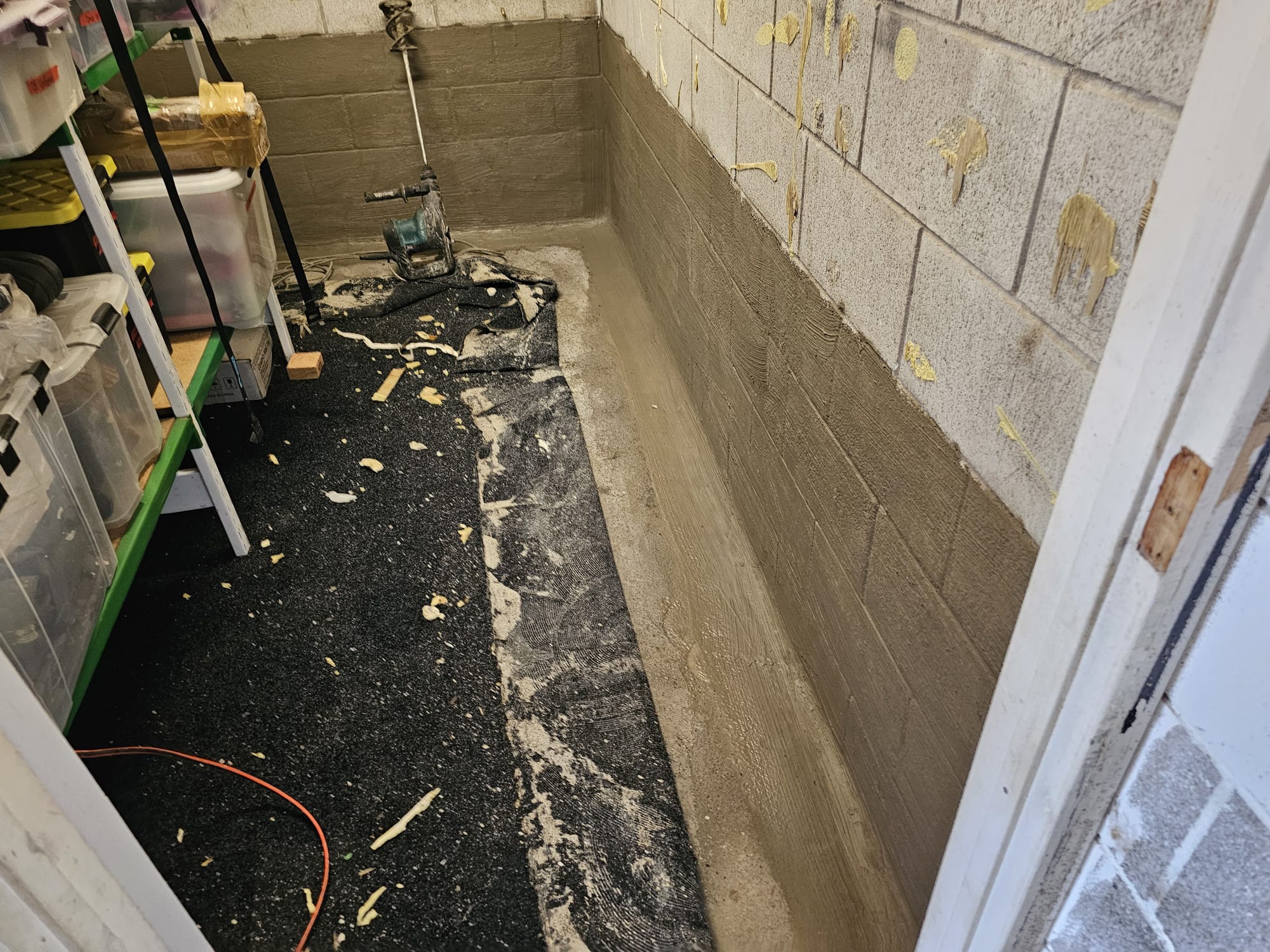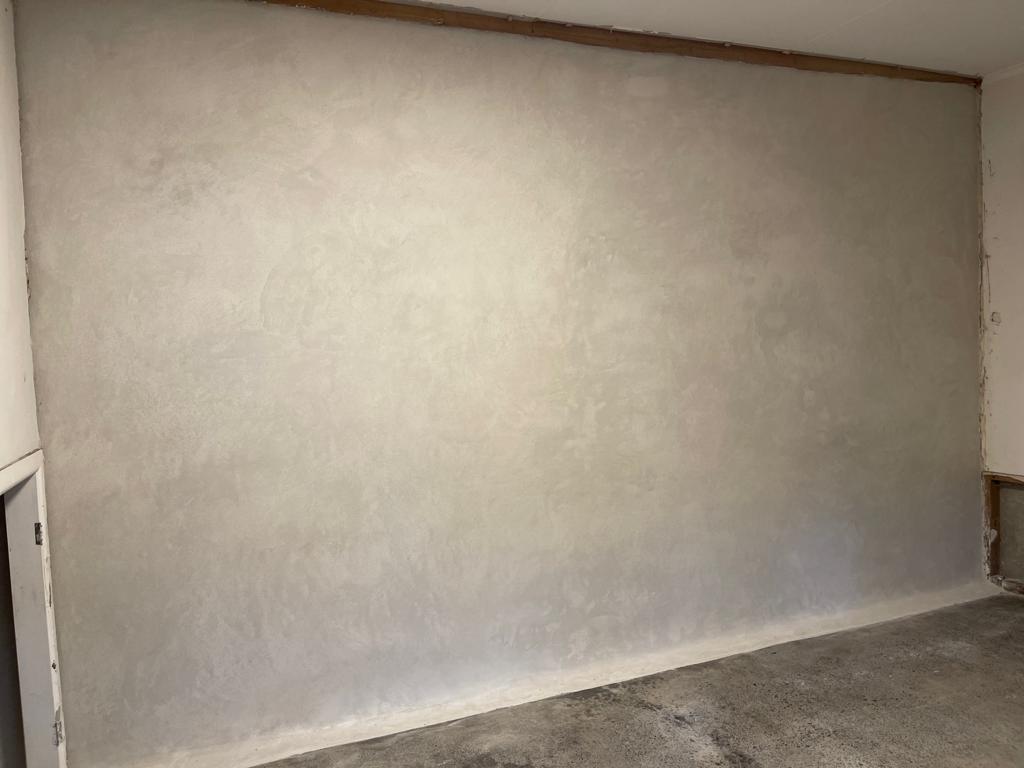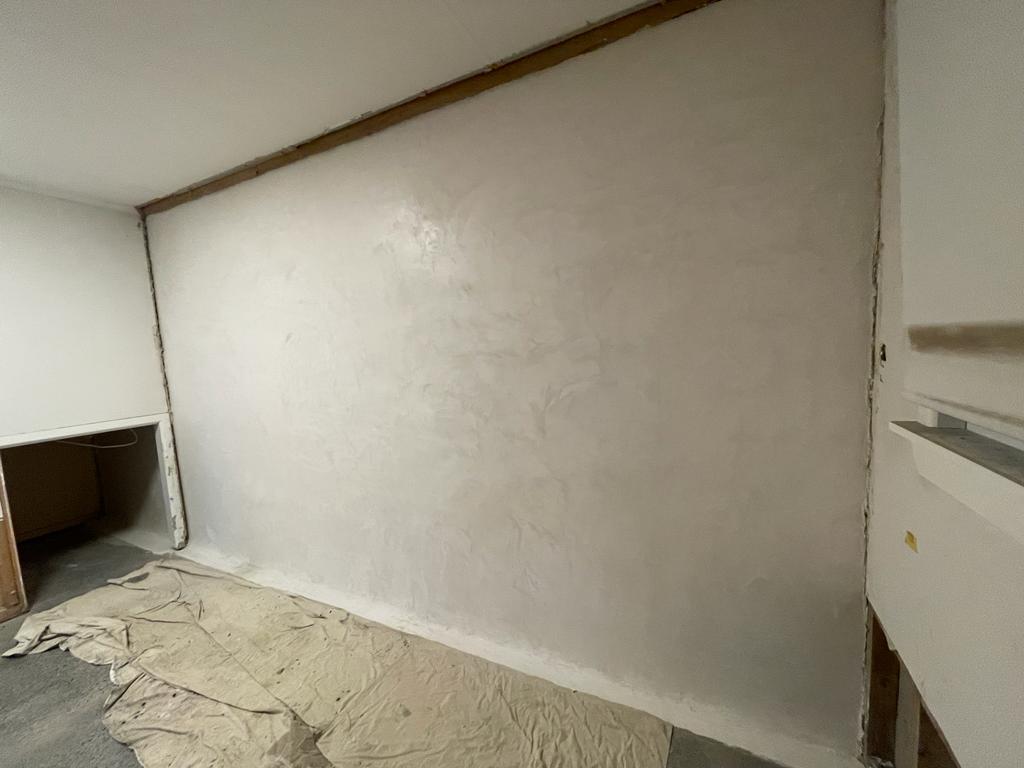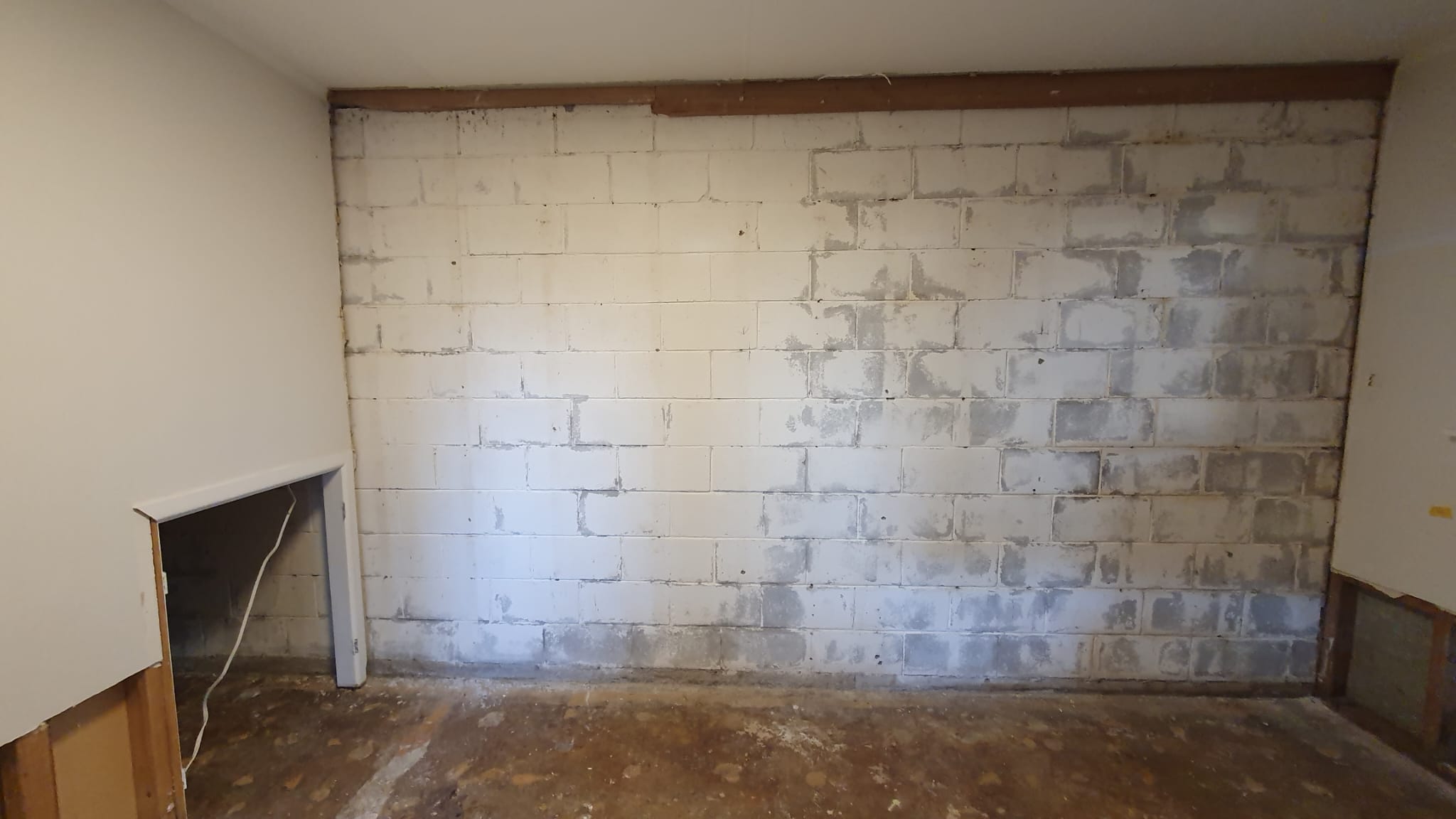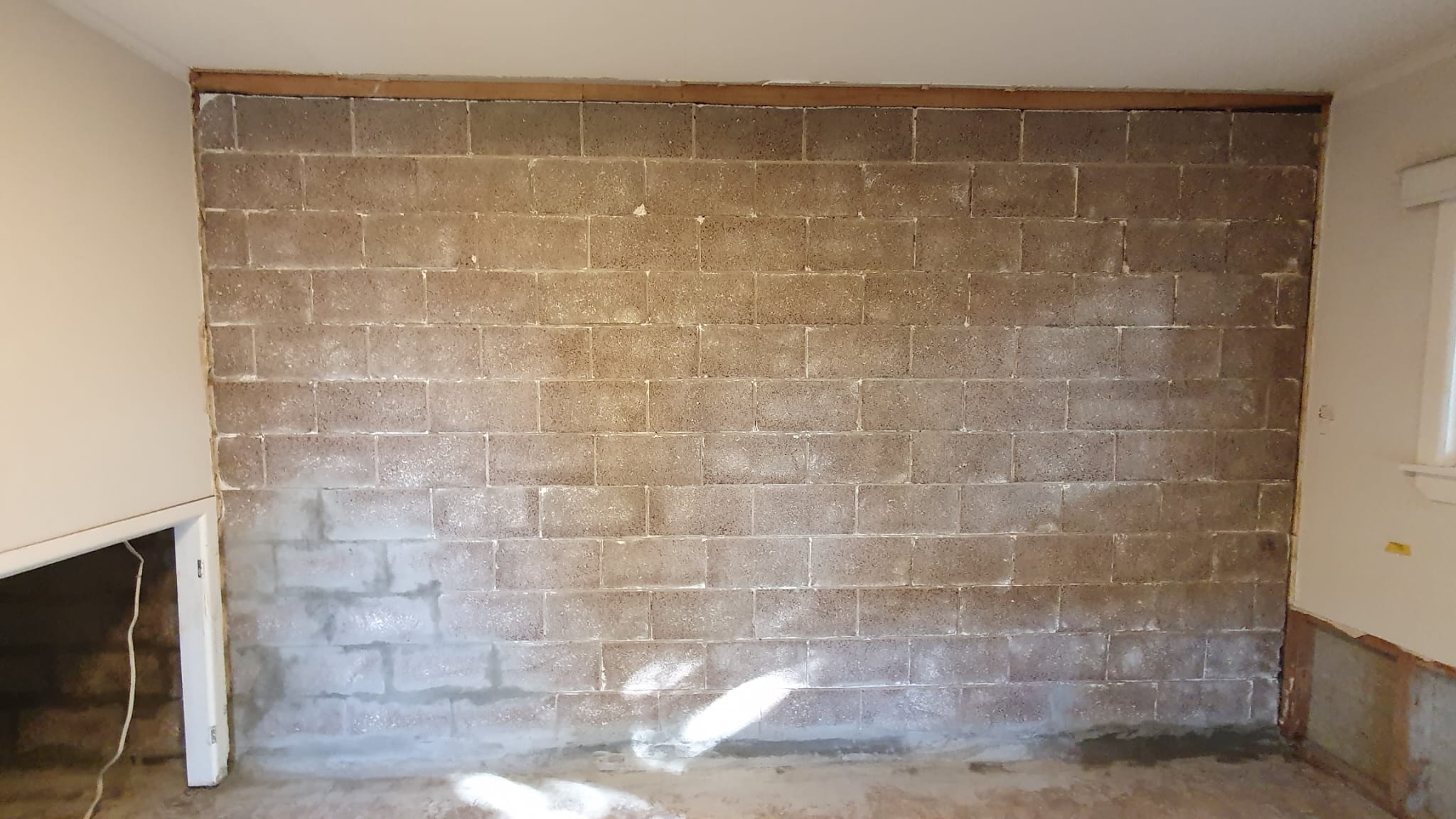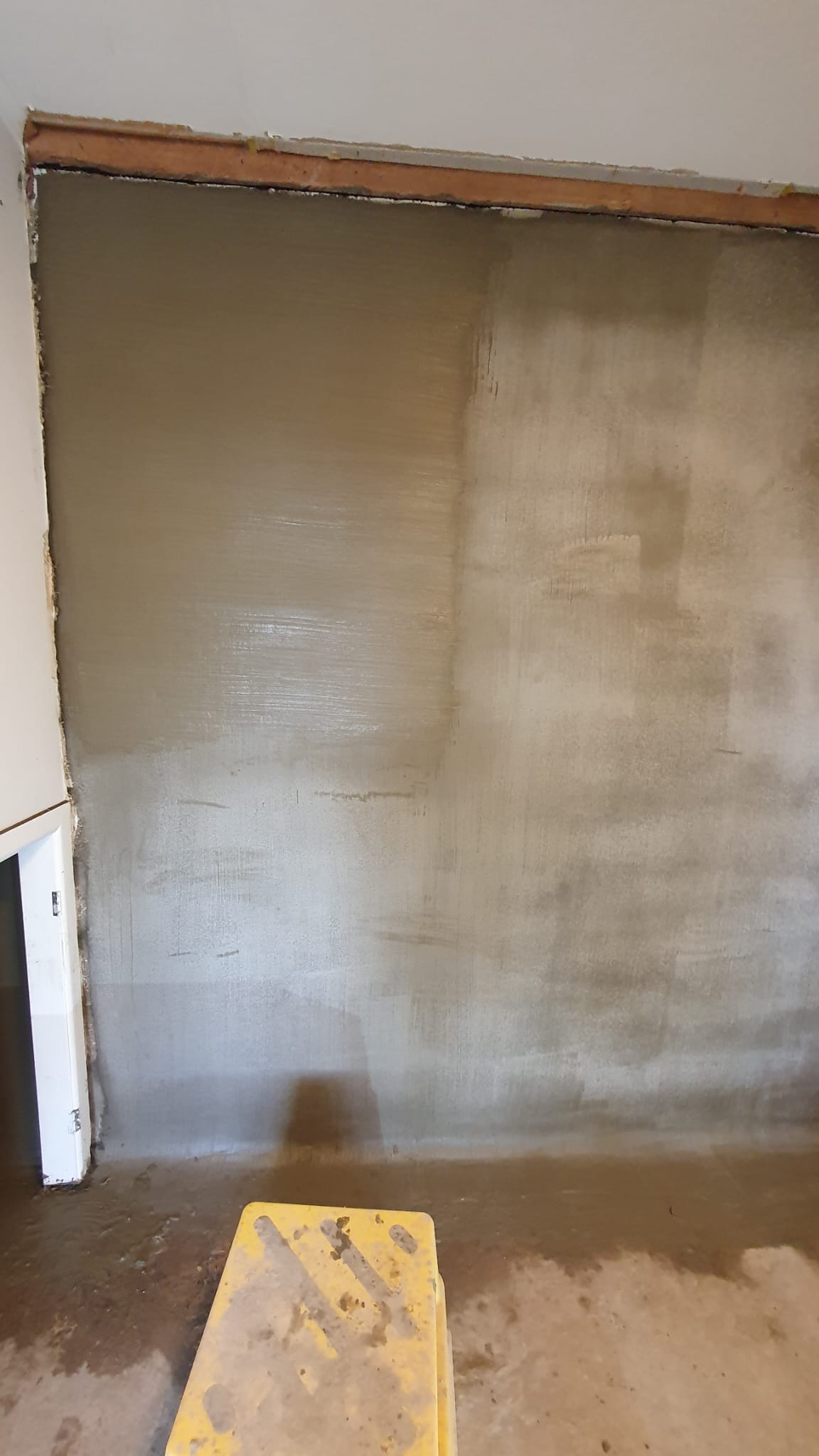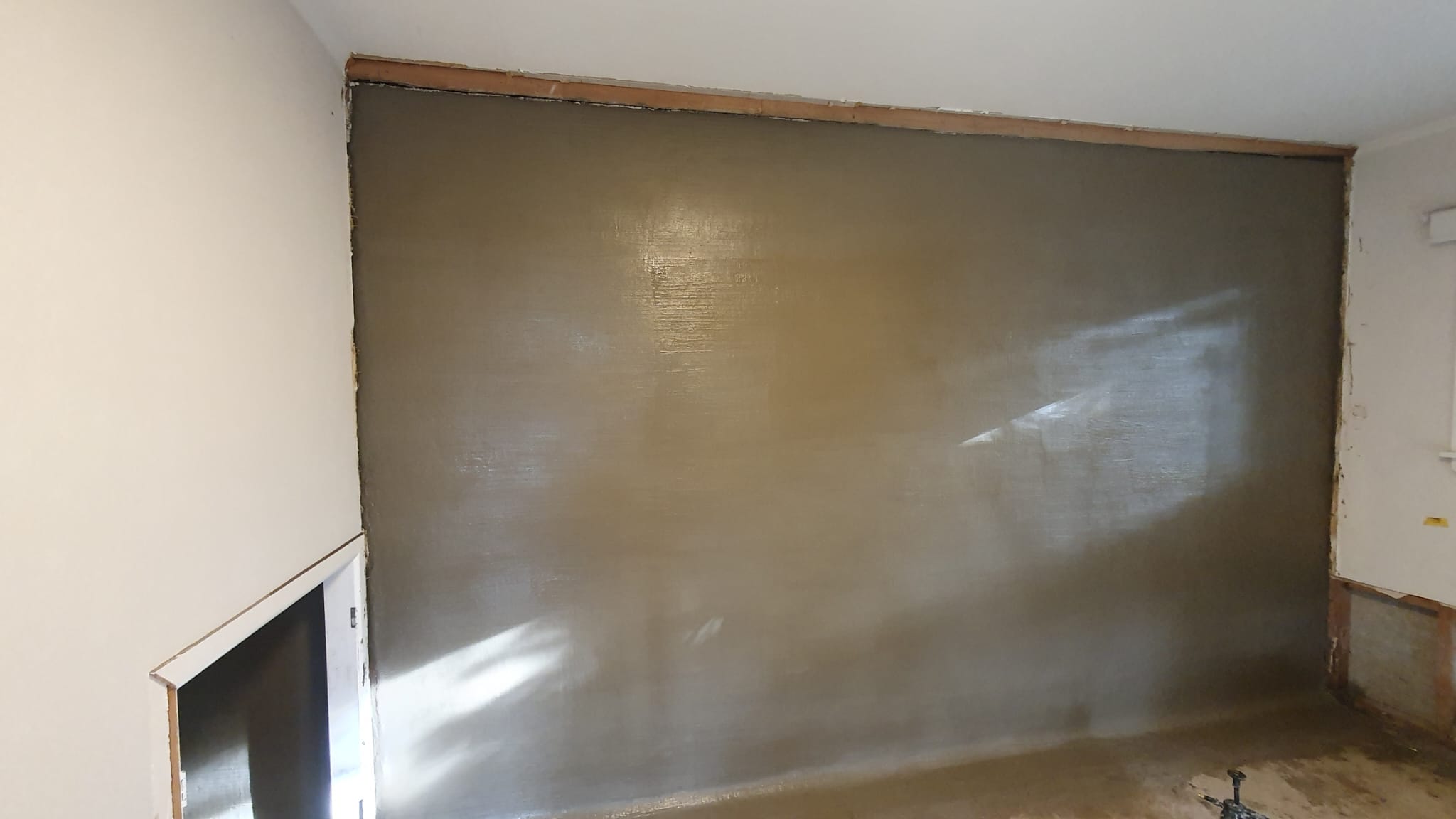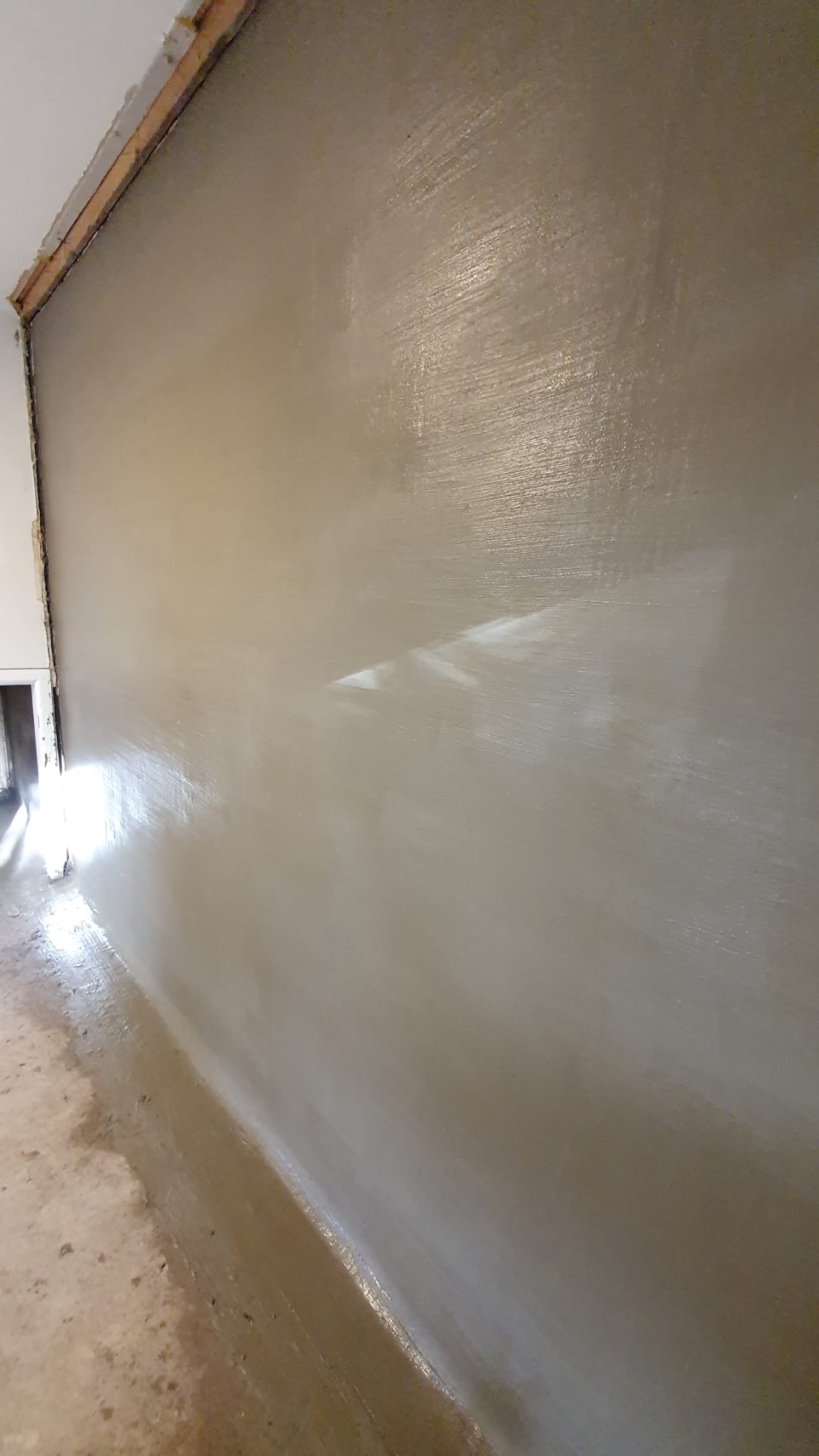

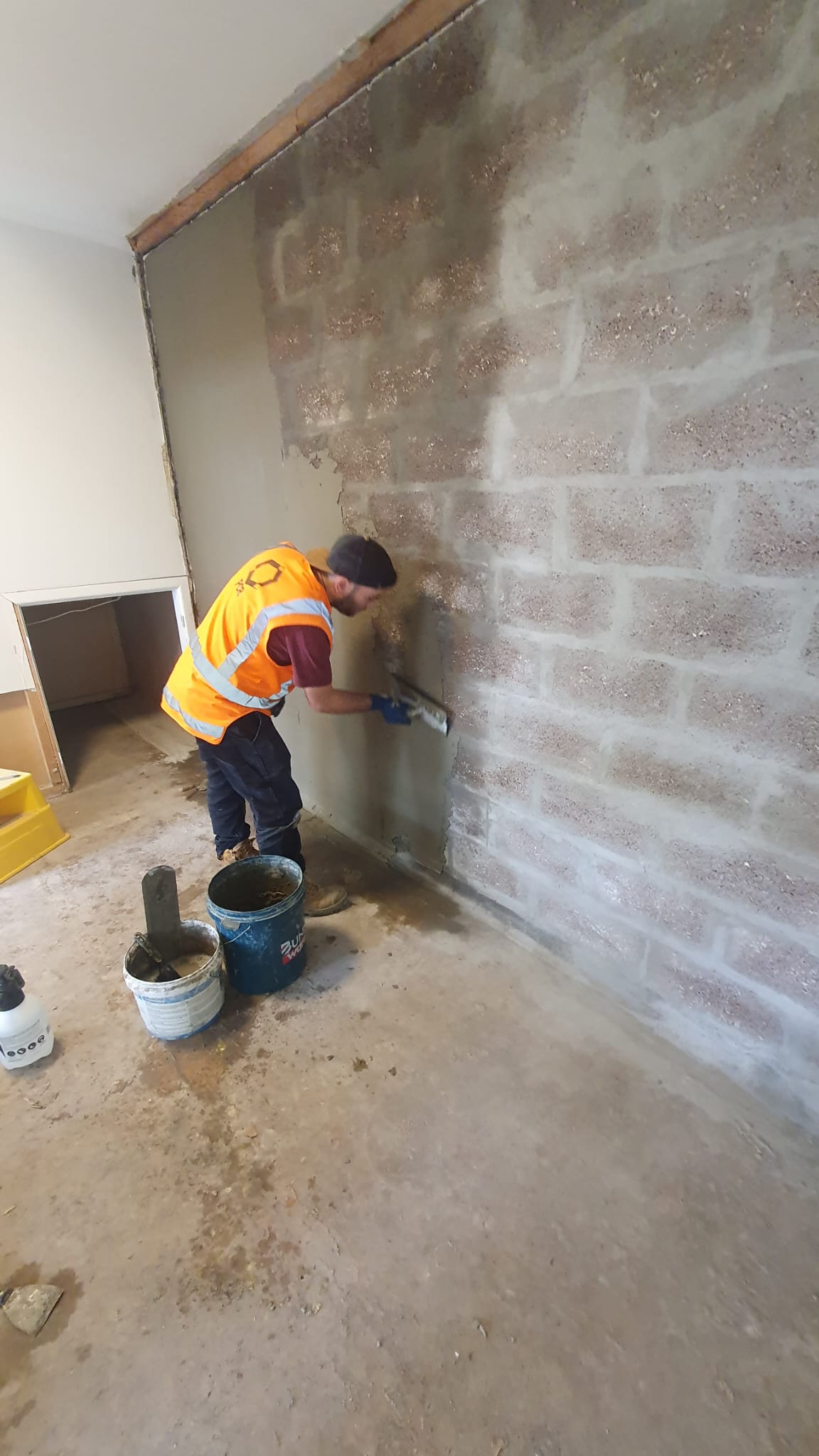
Below-ground structures leak for predictable reasons: hydrostatic pressure, cold joints, wall/floor junctions, penetrations, honeycombing, movement cracks, and hidden void pathways. The real challenge is that most of these structures are already built, already in service, and often impossible or uneconomical to excavate from the outside.
That is why PCR focuses on below-ground waterproofing from the inside.
This service is designed for concrete structures where conventional external membrane replacement is not practical, including:
- basements
- lift pits
- retaining walls
- water tanks and chambers
- service pits and below-grade plant areas
Rather than treating each leak as an isolated defect, PCR looks at the structure as a complete waterproofing system. We identify how water is travelling, what details are failing, and what combination of internal waterproofing, injection, sealing, and repairs is needed to stop the problem properly.
✅ Our Below-Ground Waterproofing Packages Typically Include:
Investigation & water-path diagnosis
- Identify where water is entering, how it is travelling, and where it is presenting
- Confirm whether the issue is driven by hydrostatic pressure, joints, penetrations, porous concrete, or movement
- Determine the most practical internal waterproofing strategy based on access, substrate condition, and building use
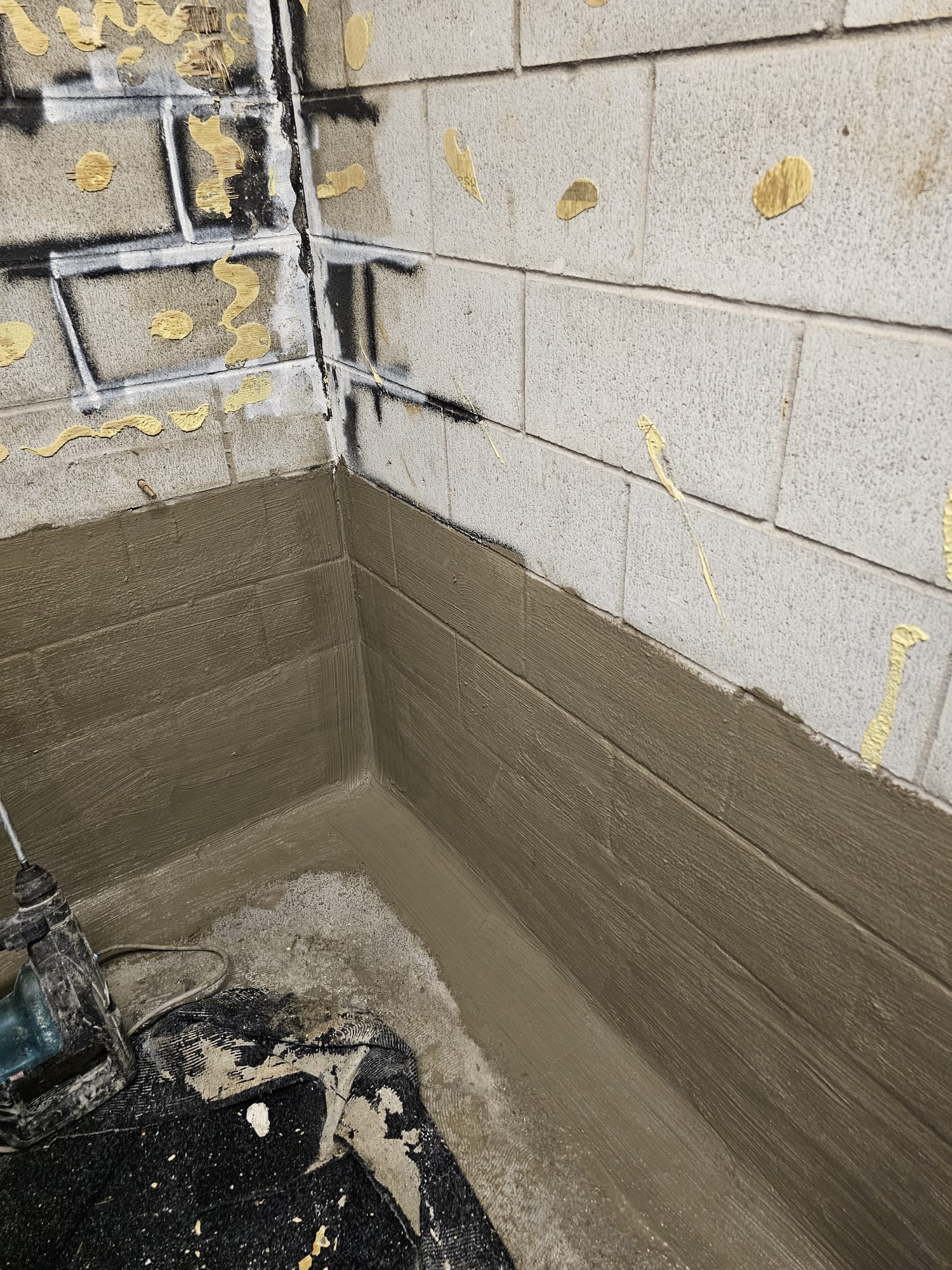
Negative-side waterproofing
- Internal waterproofing of concrete where water pressure is coming from the opposite side of the structure
- Suitable for basements, retaining walls, tanks, lift pits, and similar below-ground environments
- Installed only once the substrate, details, and leak pathways have been properly prepared
Waterproofing injection
- PU injection to stop active leaks and create flexible seals
- Acrylic gel / curtain injection where water is tracking behind walls or through wider porous pathways
- Often used as an early-stage leak control measure before broader waterproofing systems are applied
Joint, junction & penetration detailing
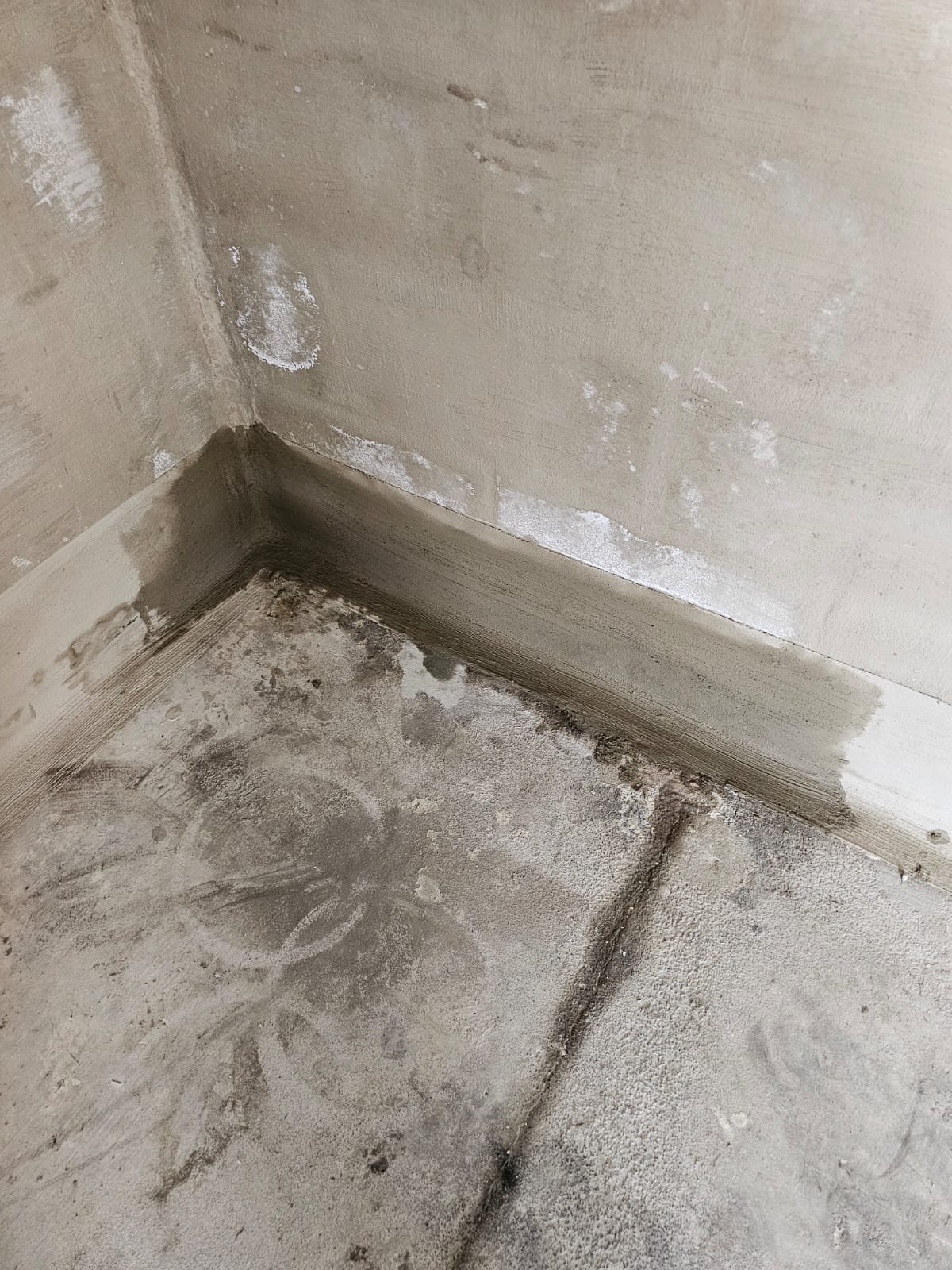
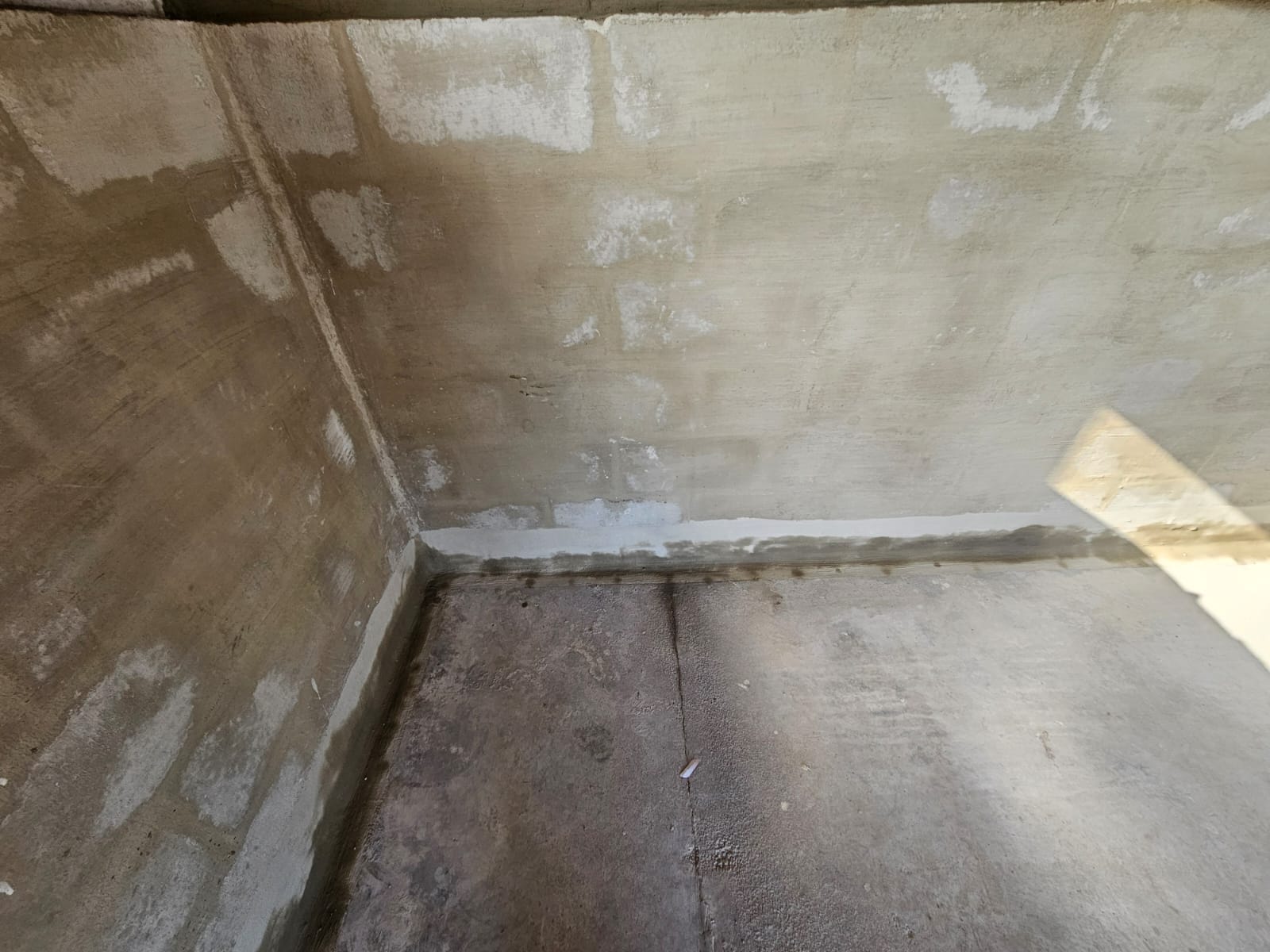
- Wall/floor junctions
- Cold joints and kicker joints
- Pipe penetrations, conduits, anchors, and fixings
- Terminations and movement-sensitive details that often cause repeat failure
Defect sealing & void treatment
- Honeycombing, blowholes, porous zones, and hidden pathways that bypass coatings
- Duct, pocket, and void sealing where water is tracking internally through the structure
- Localised defect repairs to support the integrity of the full waterproofing system
Preparation for internal sealing systems
- Surface preparation and conditioning to support internal waterproofing performance
- Removal of contamination, laitance, weak layers, and incompatible previous treatments
- Correct preparation of the substrate so the final system bonds and performs properly
🏗 Typical Applications
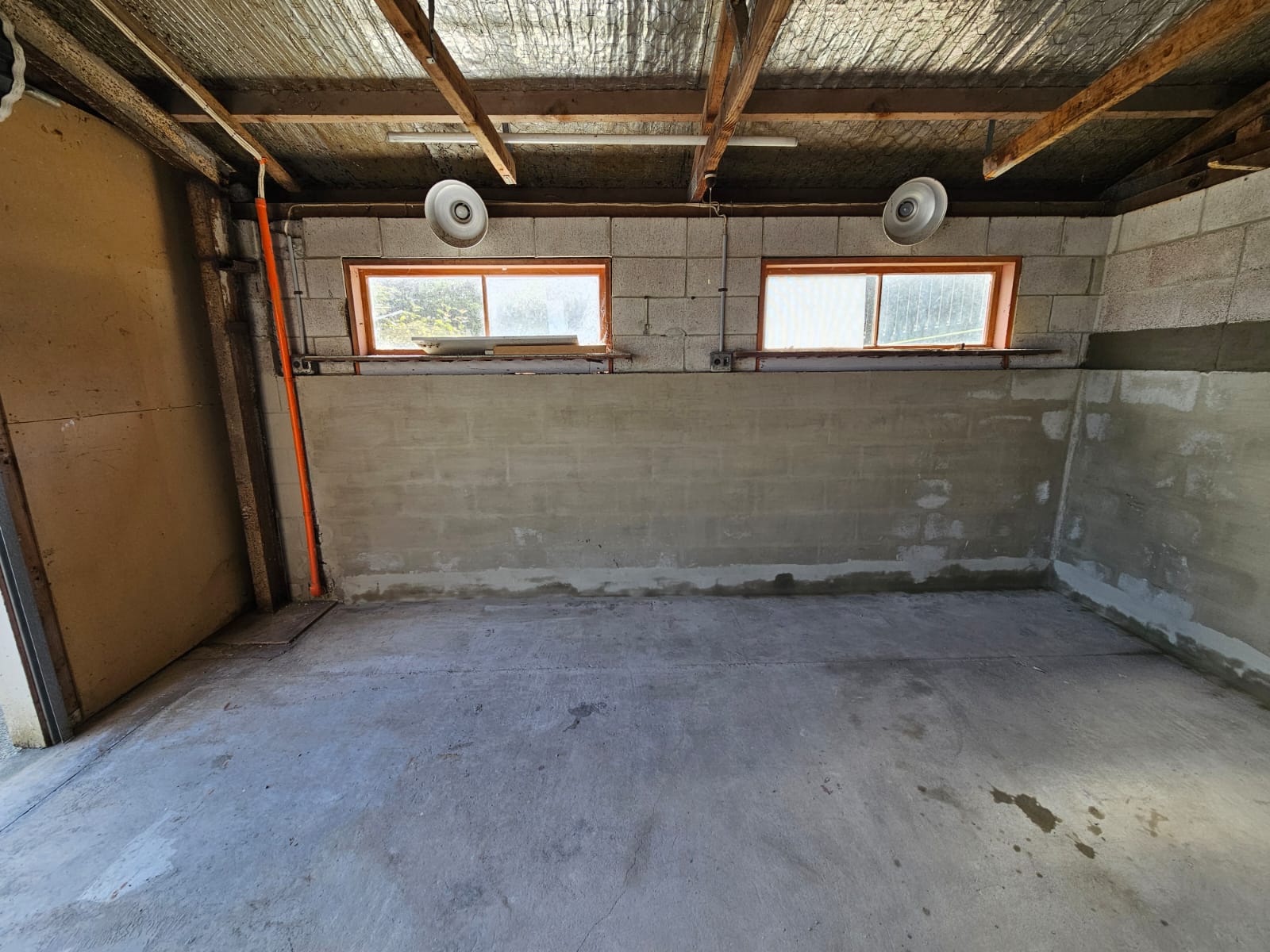
- Below-ground basements
- Lift pits
- Retaining walls
- Water tanks and chambers
- Service pits and underground plant rooms
- Existing structures where external excavation is not practical
- Concrete assets with recurring seepage, active leaks, or long-term moisture problems
🛠 Common Problems We Solve
- Water ingress through wall/floor junctions
- Leaking cold joints and kicker joints
- Damp or leaking retaining walls with no external access
- Lift pits with recurring ingress despite patch repairs
- Water tanks and chambers requiring internal sealing or remedial waterproofing
- Leaks that “move around” because water is travelling through hidden pathways
- Failed previous waterproofing attempts that addressed the symptom, not the water path
📌 Why Choose PCR?
- Specialist focus on below-ground concrete waterproofing
- Strong internal capability across negative-side systems, injection, detailing, and defect sealing
- Practical solutions where excavation is unrealistic or too disruptive
- Suitable for both infrastructure-style assets and live commercial/residential buildings
- ISO-backed QA systems and a method-led approach to reduce repeat failure
.jpeg)
.jpeg)
.jpeg)
.jpeg)