

This is one of the most common calls we get: “We patched the crack… it stopped for a bit… now it’s leaking again.”
That’s not bad luck. It’s usually because the patch repair treated the visible symptom, not the water pathway.
Concrete rarely leaks like a clean hole in a pipe. It leaks like a maze.
Water takes the path of least resistance. That might be:
So you patch the visible line, and the water simply finds the next weak point—sometimes 100–500mm away.
Most patch products sit on or near the surface. They can look good and still fail because:
If the leak is driven by pressure, surface repairs are often temporary at best.
This is where jobs go wrong. The “crack” is often not the real problem.
Even if you see a crack nearby, the true pathway can be the junction detail.
Water loves construction joints — especially in basements and lift pits.
Pipes and conduits are classic ingress points. Water can show up as a “crack leak” but originate at the penetration.
Resealing the visible line doesn’t work if the joint geometry, backing, or edges are wrong.
Porous zones can leak like a crack, but patching the surface won’t close the internal pathway.
When we’re called in for recurring leaks, we rarely jump straight to coating everything. We stage it.
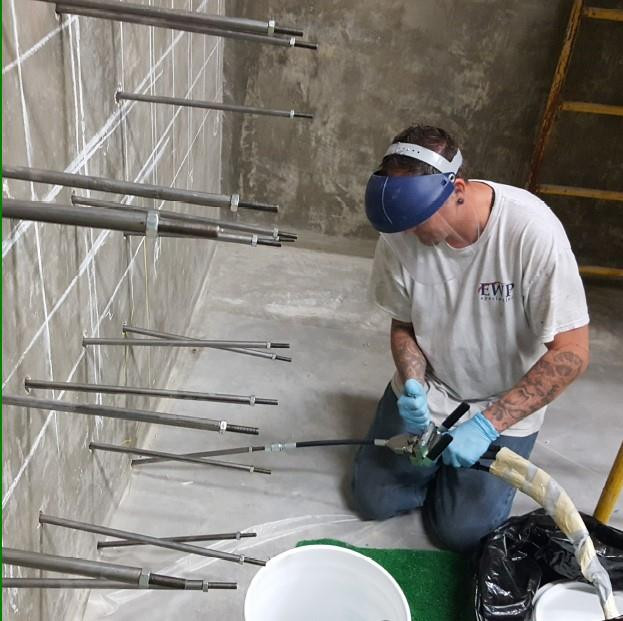
If it’s actively leaking, we need to control flow first. That typically means injection suited to wet conditions or active leaks.
Once flow is controlled, we treat the pathway properly. Depending on the situation that could include:
This is where long-term success is won:
If the structure is below ground or has ongoing moisture exposure, the final step may be a broader barrier system.
This sequence prevents the “patch/patch/patch” cycle.
Here are quick indicators it’s a detail/pathway issue:
That’s usually not “just a crack.”
If you want to avoid wasting money, don’t start with the product — start with the diagnosis.
What helps us quickly:
If you’ve patched a leak more than once, it’s time to stop treating symptoms. Send us a few photos and a short description of when it leaks — we’ll tell you what the likely pathway is and the cleanest way to fix it.