

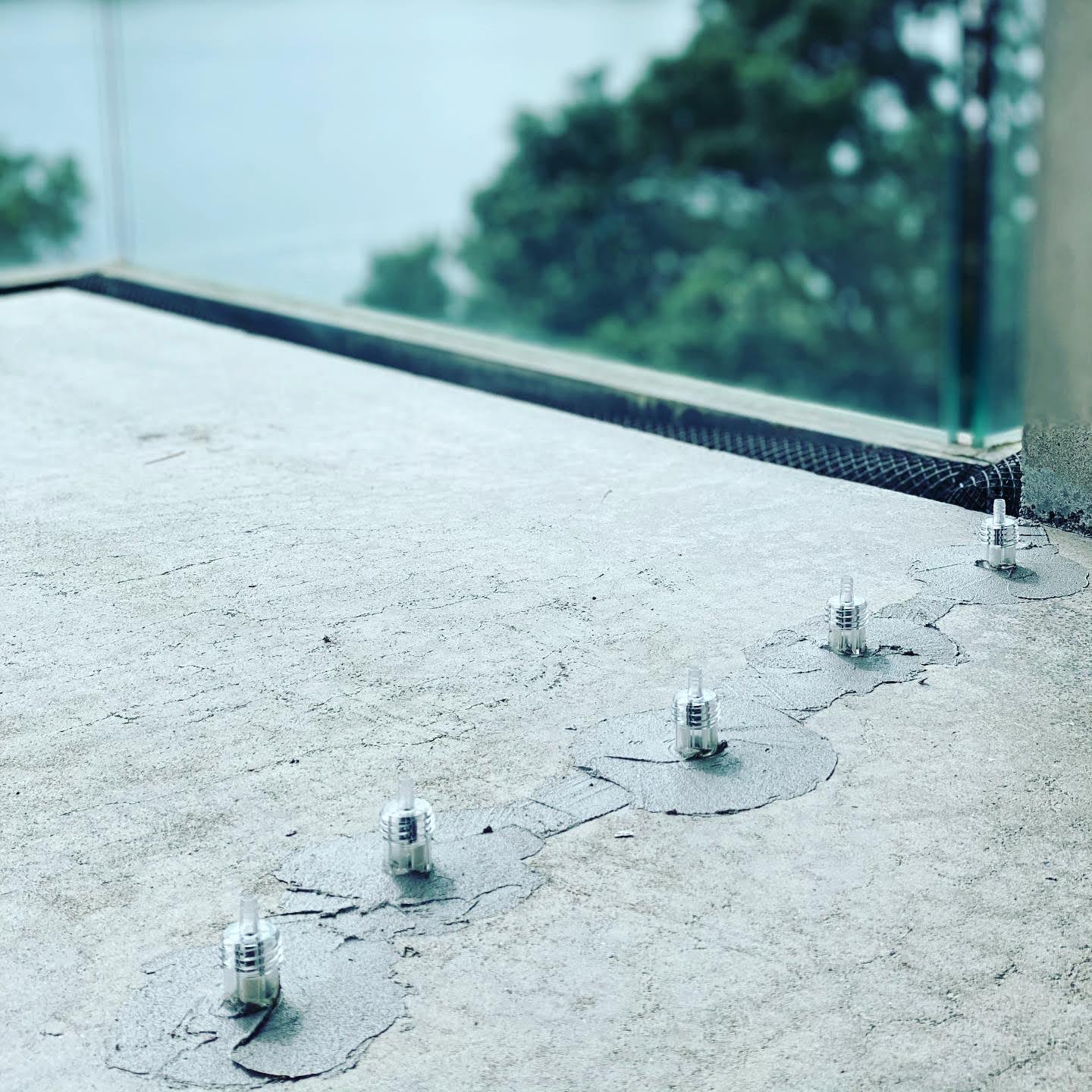
When a commercial slab, retaining wall, or civil asset develops structural cracking, resin injection is often the definitive solution. However, selecting the wrong resin can lead to premature failure, ongoing water ingress, and costly project downtime.
In large-scale remediation, there is no one-size-fits-all product. The choice of material boils down to a clear technical distinction:
Nationwide Project Deployment: Based in Auckland, PCR Concrete deploys specialist remediation teams NZ-wide to handle mid-to-large scale commercial, civil, and industrial concrete injection projects.
Before specifying a resin, project managers and structural engineers must define the primary objective of the remediation.
The goal is to restore load transfer across the crack, remediate structural degradation, and prevent the crack from propagating under service loads. Epoxy injection is typically the correct methodology.
The goal is to cut off active water flow, seal the pathway against hydrostatic pressure, and handle ongoing thermal or structural movement. PU or acrylic injection is the standard requirement.
Note for Asset Managers: A single crack can be both structural and actively leaking. In these complex scenarios, the remediation must be staged—utilizing a PU system to stop the water ingress first, followed by structural stabilization.
Epoxy resins possess exceptionally high tensile and compressive strengths. Once cured, a properly executed epoxy injection structurally bonds the concrete faces, effectively turning the cracked section back into a monolithic element.
Many commercial Polyurethane (PU) systems are hydrophobic or hydrophilic resins that react rapidly upon contact with moisture. When injected, the resin expands into a dense foam or flexible elastomer, filling internal voids, driving out standing water, and creating a highly resilient seal.
Acrylic gels feature an ultra-low viscosity similar to water, allowing them to track through the most minute pathways within the concrete matrix. Once cured, they form a highly flexible, hydrophilic matrix that swells in the presence of water, maintaining a positive seal against ongoing hydrostatic pressure.
A recurring issue in commercial asset maintenance is attempting to inject a crack that is actually functioning as a structural movement joint. If water ingress or structural failure is occurring at:
Standard crack injection alone will fail prematurely. Long-term asset protection requires a multi-disciplinary approach. PCR Concrete frequently pairs targeted injection methodologies with heavy-duty Joint Sealing & Penetration Detailing or internal Negative-Side Waterproofing systems to build a comprehensive barrier that survives structural deflection.
Project Requirement Primary Solution Staging Secondary Requirements
Restore Load Capacity & Stiffness Epoxy Injection Substrate must be dry; movement must be controlled.
Stop High-Pressure Active Leaking Polyurethane (PU) Rapid expansion to cut water; flexible but non-structural.
Water Tracking / No External Access. Acrylic Gel Deployed via curtain injection behind the concrete asset.
Generally, no. Water compromises the adhesion of structural epoxies to the concrete interface. The leak must first be arrested using a water-reactive polyurethane foam before permanent structural bonding can take place.
Yes, provided the structural movement is within the elastomer's tolerances. If the underlying cause of the structural shifting is unaddressed and exceeds the resin's elasticity, the concrete may crack further down the line, bypassing the repair.
Engineers analyze the crack pattern, orientation, changes in width under loading, and the environmental exposure of the asset. For critical infrastructure, diagnostic monitoring is highly recommended before finalizing the remediation specification.
For mid-to-large scale commercial, civil, or industrial assets facing concrete degradation or water ingress, PCR Concrete provides comprehensive nationwide diagnostic and application services.
To expedite your project assessment, please prepare:
Contact our project management team directly to discuss out-of-town deployment and site logistics.